
Inquiry

Project Review

Machining

Quality Control

Pass/Fail

Delivery
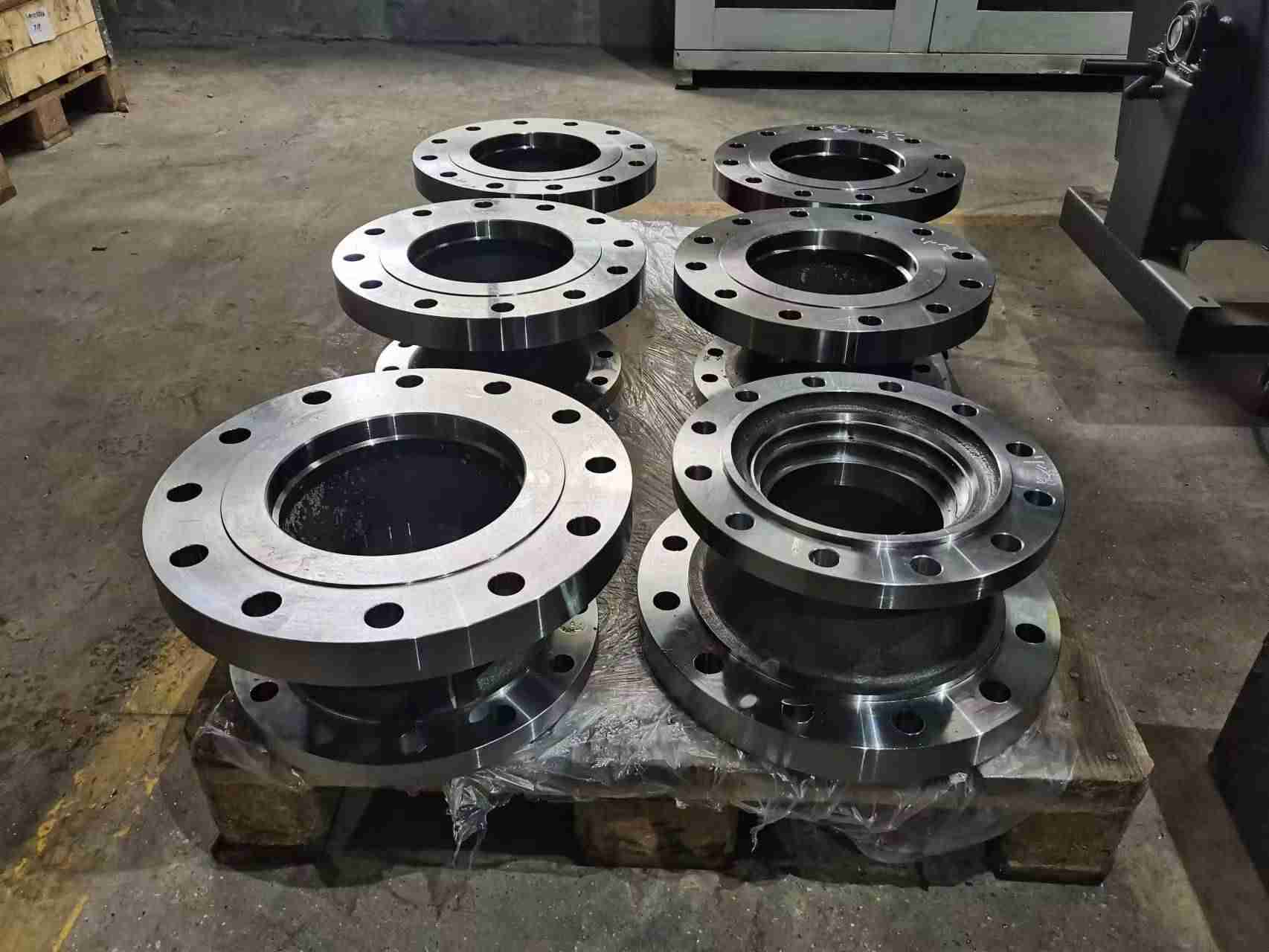
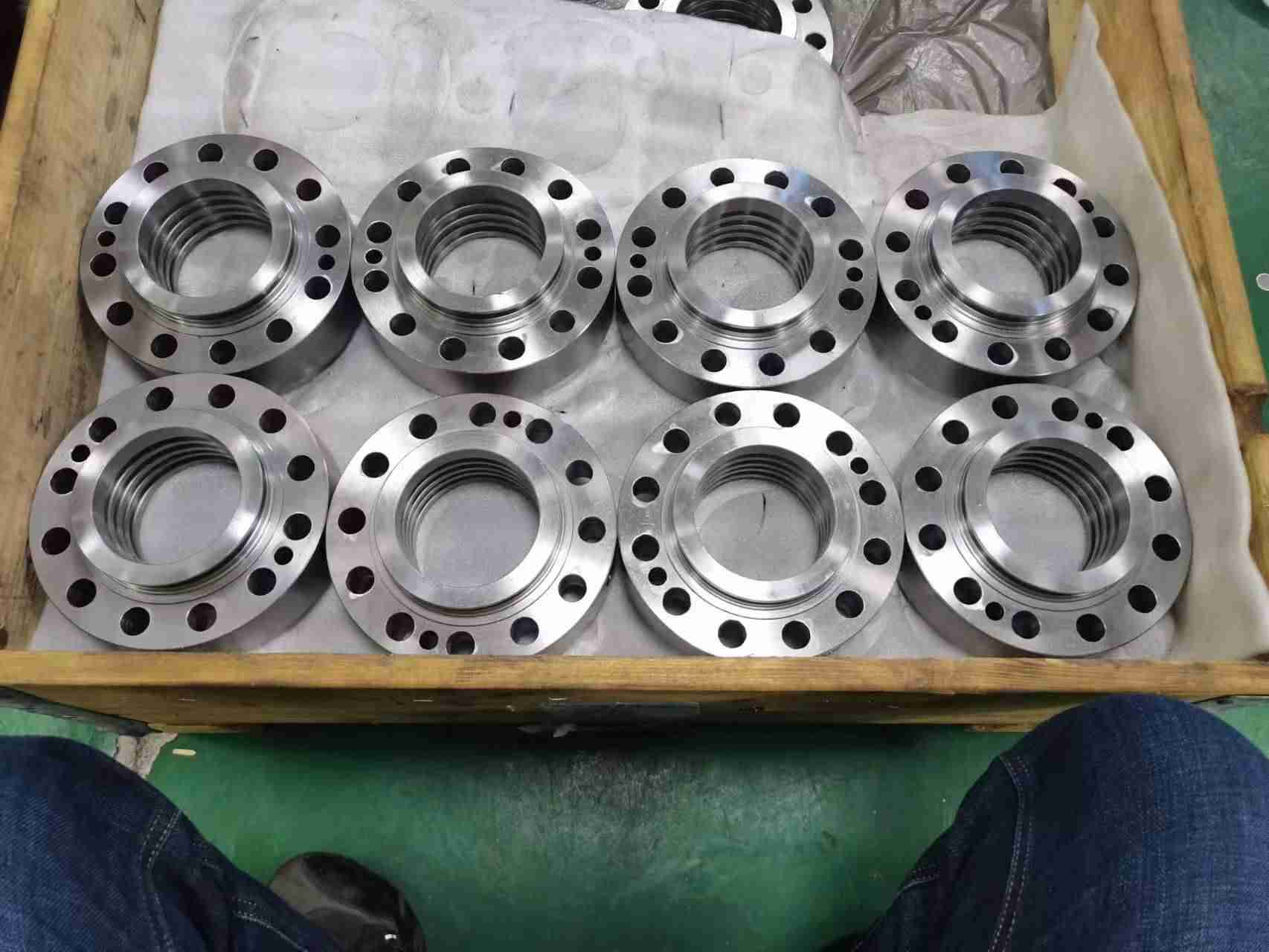
Engineered precision machining is at the core of modern advanced manufacturing, enabling the production of highly accurate, reliable, and complex components for industries where performance and safety are critical. Aerospace, medical, and automotive sectors especially depend on precision-engineered parts that meet strict tolerances, material standards, and regulatory requirements. Through advanced CNC technology and engineered manufacturing processes, precision machining delivers consistent quality and high-performance results across these demanding applications.
The Role of Engineered Precision Machining
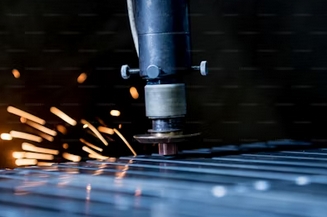
Engineered precision machining refers to a highly controlled manufacturing approach where every stage of production—from design and material selection to machining strategy and inspection—is carefully planned and optimized. Unlike general machining, this process focuses on engineering intent, ensuring that each component performs exactly as designed under real-world conditions.
This approach combines advanced CNC systems, CAD/CAM programming, and skilled engineering expertise to produce parts with exceptional accuracy and repeatability.
Aerospace Applications: High Strength and Lightweight Performance
The aerospace industry demands components that are both lightweight and extremely strong. Engineered precision machining is essential for producing turbine parts, structural brackets, landing gear components, and engine systems that must withstand extreme temperatures, pressure, and vibration.
Materials such as titanium, aluminum alloys, and high-performance nickel alloys are commonly used. Precision machining ensures tight tolerances and flawless surface finishes, which are critical for aerodynamic efficiency and safety compliance.
Medical Applications: Ultra-High Accuracy and Reliability
In the medical industry, precision is not optional—it is essential. Engineered precision machining is used to produce surgical instruments, orthopedic implants, diagnostic equipment components, and minimally invasive device parts.
These components often require micron-level accuracy and biocompatible materials such as stainless steel, titanium, and medical-grade plastics. Consistency and surface quality are vital to ensure patient safety, device reliability, and regulatory compliance.
Automotive Applications: Performance, Efficiency, and Durability
The automotive industry relies heavily on engineered precision machining to produce engine components, transmission parts, braking systems, and electric vehicle (EV) components.
Precision machining helps improve fuel efficiency, reduce emissions, and enhance vehicle performance by ensuring parts fit perfectly and operate smoothly under high stress and continuous motion. As EV technology advances, precision machining plays an even greater role in producing battery housings, motor components, and lightweight structural parts.
Advanced CNC Technology and Engineering Integration
Modern engineered precision machining utilizes multi-axis CNC machines, high-speed spindles, and automated tool systems to produce complex geometries with minimal error. Integration with CAD/CAM software allows engineers to simulate machining processes, optimize tool paths, and reduce production risks before manufacturing begins.
This digital workflow improves efficiency, reduces waste, and ensures consistent quality across production runs.
Material Expertise and Process Control
A key advantage of engineered precision machining is the ability to work with a wide range of advanced materials, including:
Aluminum alloys
Stainless steel
Titanium
Inconel and other superalloys
Engineering plastics
Each material requires specific machining strategies to maintain structural integrity, dimensional accuracy, and surface quality.
Quality Assurance and Industry Standards
Industries such as aerospace, medical, and automotive require strict adherence to international quality standards. Engineered precision machining processes include in-process inspections, coordinate measuring machine (CMM) verification, and final quality checks to ensure every part meets exact specifications.
This rigorous quality control reduces defects and ensures long-term reliability in critical applications.
Engineered precision machining plays a vital role in powering innovation across aerospace, medical, and automotive industries. By combining advanced CNC technology, engineering expertise, and strict quality control, manufacturers can produce high-performance components that meet the highest standards of accuracy, safety, and durability.
As industries continue to evolve toward more advanced and demanding applications, engineered precision machining will remain a foundational technology for delivering reliable and innovative solutions.
About AJL Machining:
AJL Machining is a professional and industry-leading one-stop workshop for custom metal parts services. We have our own factory and a reliable network of partners that enable us to cater to your requirements ranging from prototypes to large-scale production. Our competitive edge is our ability to ensure that all of your parts are produced according to specifications, within budget, and delivered on time to meet your evolving demands. Presently, we serve over 80% of our business to multinational corporations in China, as well as overseas customers.
To learn more, please don't hesitate to contact us via email at sales@ajlmachining.com, or visit our website at www.ajlmachining.com

AJL Machining is a professional and industry-leading one-stop shop for custom metal parts services. We have our own factory and a reliable network of partners that enable us to cater to your requirements ranging from prototypes to large-scale production.
Add: No 58, Chenghu Road, Kunshan, Suzhou City, Jiangsu Province, China 215333
Email:sales@ajlmachining.com
Tel: +8613522650203
 English
 China
China