
Inquiry

Project Review

Machining

Quality Control

Pass/Fail

Delivery
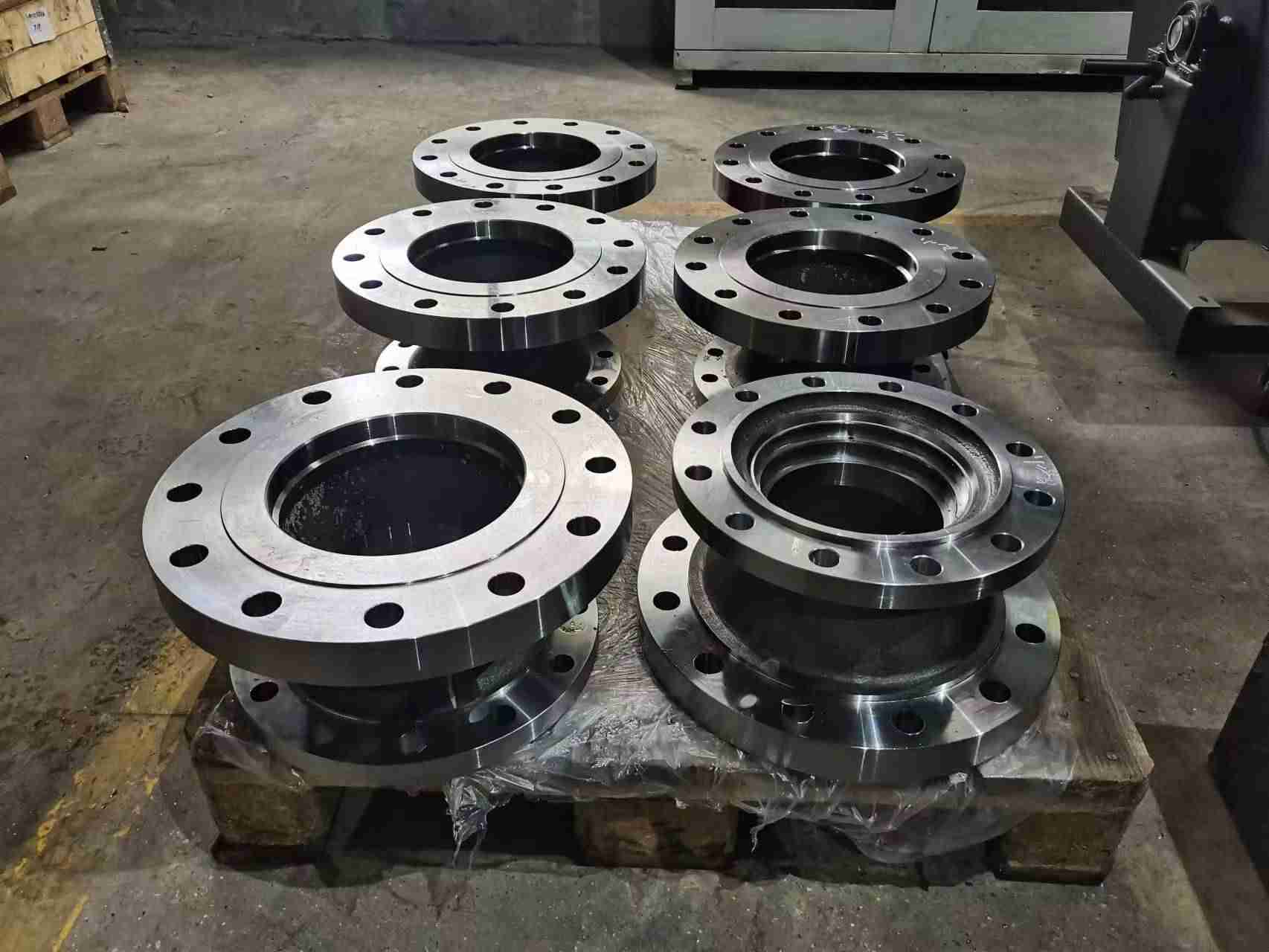
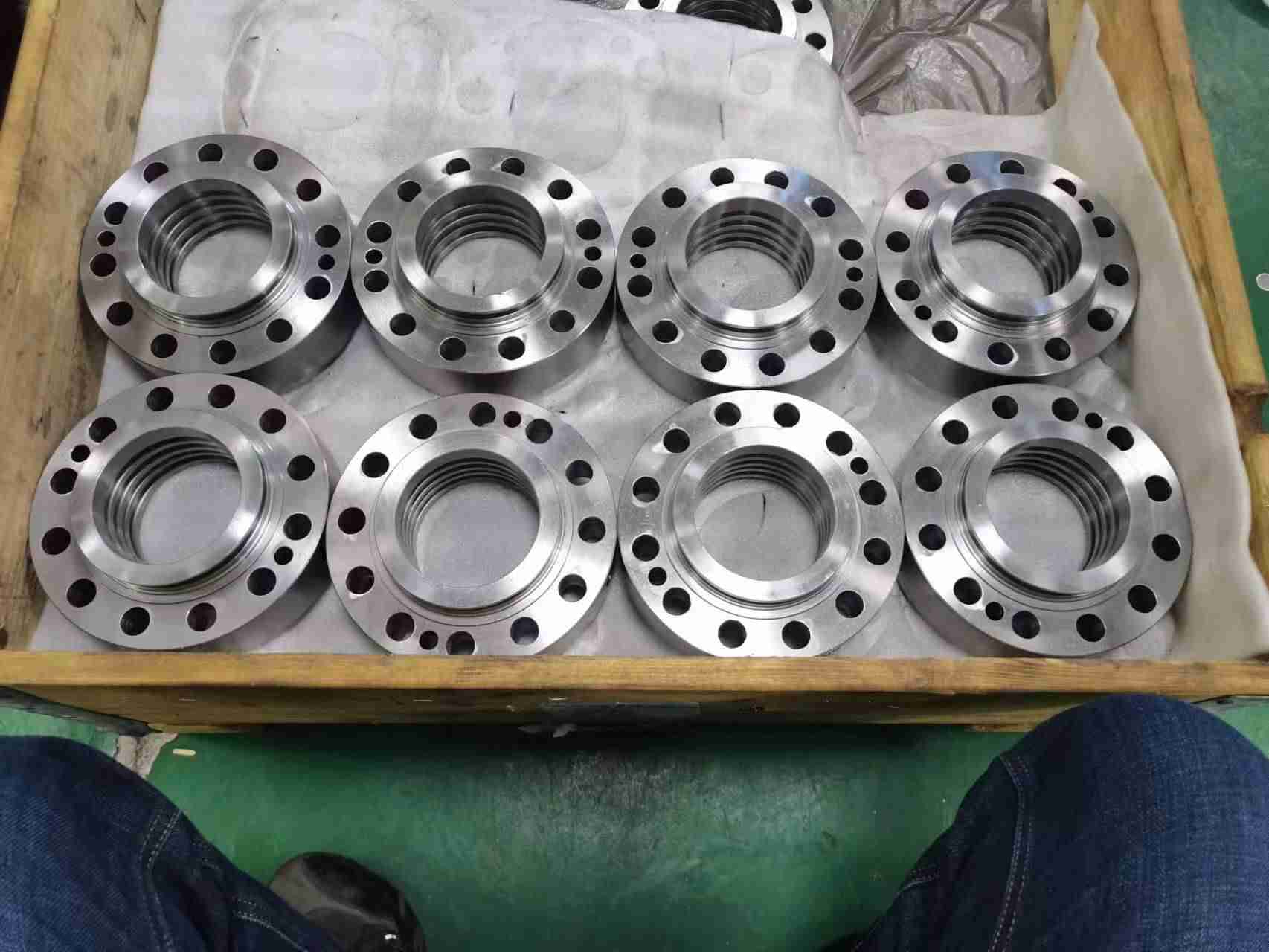
Stamping machine parts play a vital role in modern manufacturing, supporting high-speed production, consistent product quality, and precise metal forming. From automotive components and electrical enclosures to industrial equipment and consumer products, stamping machines are widely used to transform sheet metal into complex shapes with repeatable accuracy. As manufacturing requirements become more demanding, advanced stamping machine parts are essential for improving equipment performance, reducing downtime, and maintaining production efficiency.
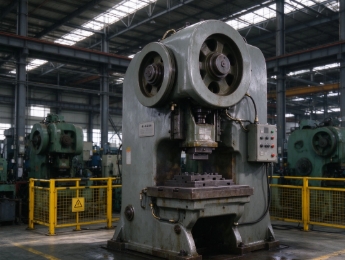
Selecting the right components requires careful consideration of material properties, machining accuracy, wear resistance, and operating conditions. By investing in high-quality stamping machine parts, manufacturers can improve production reliability while maintaining the dimensional consistency required for precision engineering.
1. Understanding Stamping Machine Parts
A stamping machine uses mechanical or hydraulic force to shape, cut, punch, or form sheet metal. Its performance depends on the coordination of numerous components, each designed to perform a specific function during the production cycle.
Common stamping machine parts include:
Punches and dies: These components perform cutting, piercing, bending, and forming operations. Their geometry and surface condition directly affect part accuracy and finished-edge quality.
Guide pins and guide bushings: These components maintain alignment between the punch and die, helping prevent uneven wear and dimensional variation.
Die plates and die holders: These provide structural support and maintain the positioning of tooling components under repeated loading.
Drive shafts and connecting rods: These transmit mechanical force and motion throughout the stamping system.
Bearings and wear plates: These reduce friction, support moving assemblies, and help maintain stable operation.
Clamping and fastening components: These secure tooling and machine assemblies, ensuring reliable positioning during production.
Each component must be manufactured according to the machine's design requirements. Even a small dimensional deviation in a critical part can affect alignment, increase tool wear, or lead to defects in stamped products.
2. Precision Manufacturing for High-Performance Stamping Components
Precision is one of the most important requirements for advanced stamping machine parts. During high-volume production, components may experience thousands or millions of repeated operating cycles. Accurate dimensions and consistent manufacturing quality help ensure that the equipment performs reliably over time.
Computer numerical control (CNC) machining is widely used to manufacture complex stamping machine components. CNC milling, turning, drilling, grinding, and other precision processes can produce intricate geometries and closely controlled dimensions.
For example, CNC milling can manufacture die holders, mounting plates, and structural components with accurately positioned holes and machined surfaces. CNC turning is suitable for cylindrical components such as shafts, bushings, and selected guide elements. Precision grinding can improve surface finish and dimensional accuracy on components that require close-fitting contact.
Manufacturers can also combine machining processes with coordinate measuring machines (CMMs), precision gauges, and other inspection equipment to verify critical dimensions. This approach helps identify manufacturing deviations before components are assembled or delivered to customers.
When selecting a supplier, buyers should evaluate not only machining capabilities but also the supplier's ability to maintain repeatability across prototype, small-batch, and large-volume production.
3. Choosing Suitable Materials for Stamping Machine Parts
Material selection directly affects the strength, hardness, fatigue resistance, and service life of stamping machine parts. The most suitable material depends on the component's function, the forces it experiences, and the production environment.
Tool steel is frequently used for punches, dies, and other tooling components that require high hardness and wear resistance. Depending on the application, heat treatment may be used to achieve the required mechanical properties.
Alloy steel is suitable for structural and load-bearing components, including shafts, connecting elements, and machine supports. Its strength and toughness can help components withstand repeated mechanical loads.
Carbon steel can be an economical option for brackets, mounting plates, and other components that do not require the specialized properties of high-performance tool steels.
Stainless steel may be appropriate for components exposed to corrosive environments or applications that require corrosion resistance. The specific grade should be selected according to the operating conditions and mechanical requirements.
Aluminum alloys can be used for certain lightweight housings, fixtures, and auxiliary components where reduced weight is beneficial and the operating loads permit their use.
Material selection should account for hardness, tensile strength, fatigue behavior, machinability, heat-treatment requirements, and resistance to wear. For critical components, material certificates and traceability records can help verify that the supplied material meets the specified requirements.
4. Surface Treatment and Wear Resistance
Stamping machine parts often operate under repeated contact, impact, sliding friction, and high mechanical loads. Over time, these conditions can cause abrasion, surface damage, dimensional changes, and premature component failure.
Appropriate surface treatments and finishing processes can help extend service life. Heat treatment is commonly used to improve hardness and strength in suitable steels. Depending on the material and component design, nitriding or other surface-hardening treatments may improve resistance to wear and surface fatigue.
Precision grinding and polishing can also improve surface finish and reduce friction at contact surfaces. For punches and dies, a suitable finish may contribute to cleaner cuts, more stable forming operations, and reduced material buildup.
Coatings may be appropriate for selected tooling applications, particularly where friction and wear are major concerns. However, the choice of coating should consider substrate material, operating temperature, contact conditions, and the possibility of coating damage.
Surface treatment must be carefully controlled. Excessive hardness, distortion during heat treatment, or an unsuitable coating can compromise component performance. Manufacturers should therefore coordinate machining allowances, heat treatment, finishing, and final inspection as part of a complete production process.
5. Applications Across Different Industries
Advanced stamping machine parts support a wide range of manufacturing sectors.
Automotive manufacturing: Stamping equipment produces brackets, reinforcement panels, mounting components, and other metal parts used in vehicles. Reliable machine components help manufacturers maintain consistent dimensions during high-volume production.
Electrical and electronics manufacturing: Enclosures, connectors, terminals, shielding components, and other precision metal products often require accurate punching and forming. Stable tooling alignment is essential for meeting dimensional and assembly requirements.
Industrial machinery: Equipment manufacturers use stamping processes to produce guards, supports, brackets, and structural parts. Durable machine components help maintain production stability when processing different material thicknesses and geometries.
Home appliances and consumer products: Washing machines, refrigerators, kitchen equipment, and other products incorporate stamped metal components. Consistent tooling performance helps improve appearance, fit, and assembly efficiency.
Renewable energy and power equipment: Selected stamped components are used in electrical cabinets, mounting systems, and power-related equipment. Their manufacturing requirements depend on structural loads, corrosion exposure, and installation conditions.
Across these industries, the quality of stamping machine parts affects not only machine operation but also the accuracy, consistency, and cost of the finished products.
6. Quality Control for Reliable Stamping Machine Parts
A comprehensive quality-control process is essential for manufacturing components that meet engineering specifications. Inspection should begin with material verification and continue through machining, heat treatment, finishing, and final acceptance.
Key quality-control measures include:
Dimensional inspection: Verify critical dimensions, hole positions, flatness, concentricity, and geometric tolerances according to the technical drawing.
Material verification: Confirm material grades and relevant mechanical properties when required by the application.
Hardness testing: Check heat-treated components against the specified hardness range.
Surface inspection: Examine machined surfaces for scratches, cracks, burrs, excessive roughness, and other defects.
Functional verification: Check critical interfaces, clearances, alignment features, and assembly fit where appropriate.
Documentation and traceability: Maintain inspection records and material documentation to support quality assurance and future maintenance.
The inspection plan should reflect the component's criticality. A simple mounting bracket may require fewer checks than a precision punch or die insert that directly determines the dimensions of a stamped product.
Clear communication between the customer and supplier is equally important. Engineering drawings should specify materials, tolerances, surface finishes, heat-treatment requirements, and any special inspection criteria before production begins.
7. How to Select the Right Stamping Machine Parts Supplier
Choosing a reliable supplier is an important step in maintaining production efficiency. A qualified manufacturer should be able to interpret engineering drawings, recommend appropriate materials, and select suitable machining and finishing processes.
Buyers should consider several factors when evaluating potential suppliers.
First, review the supplier's manufacturing capabilities, including CNC machining, grinding, heat treatment coordination, and precision inspection. These capabilities are particularly important for complex components with tight tolerances.
Second, evaluate quality-management procedures and the supplier's experience with similar industrial applications. Consistent production controls can help reduce variation between batches.
Third, consider delivery reliability, communication, and technical support. A supplier that identifies potential manufacturing issues early can help prevent costly redesigns and production delays.
Finally, assess total lifecycle cost rather than purchase price alone. Components with better dimensional consistency and wear resistance may reduce maintenance frequency, replacement costs, and unexpected equipment downtime.
Advanced stamping machine parts are essential to precision engineering and modern manufacturing. From punches and dies to guide systems, shafts, and structural components, every part contributes to the accuracy, reliability, and efficiency of stamping operations.
By combining suitable materials, precision CNC machining, controlled heat treatment, appropriate surface finishing, and rigorous quality inspection, manufacturers can produce components that meet demanding industrial requirements. Careful supplier selection and clear engineering specifications further help ensure consistent performance throughout the component's service life.
For businesses seeking dependable stamping machine parts, a manufacturing partner with strong engineering knowledge, flexible production capabilities, and reliable quality control can support both immediate production needs and long-term manufacturing goals.
About AJL Machining:
AJL Machining is a professional and industry-leading one-stop workshop for custom metal parts services. We have our own factory and a reliable network of partners that enable us to cater to your requirements ranging from prototypes to large-scale production. Our competitive edge is our ability to ensure that all of your parts are produced according to specifications, within budget, and delivered on time to meet your evolving demands. Presently, we serve over 80% of our business to multinational corporations in China, as well as overseas customers.
To learn more, please don't hesitate to contact us via email at sales@ajlmachining.com, or visit our website at www.ajlmachining.com

AJL Machining is a professional and industry-leading one-stop shop for custom metal parts services. We have our own factory and a reliable network of partners that enable us to cater to your requirements ranging from prototypes to large-scale production.
Add: No 58, Chenghu Road, Kunshan, Suzhou City, Jiangsu Province, China 215333
Email:sales@ajlmachining.com
Tel: +8613522650203
 English
 China