
Inquiry

Project Review

Machining

Quality Control

Pass/Fail

Delivery
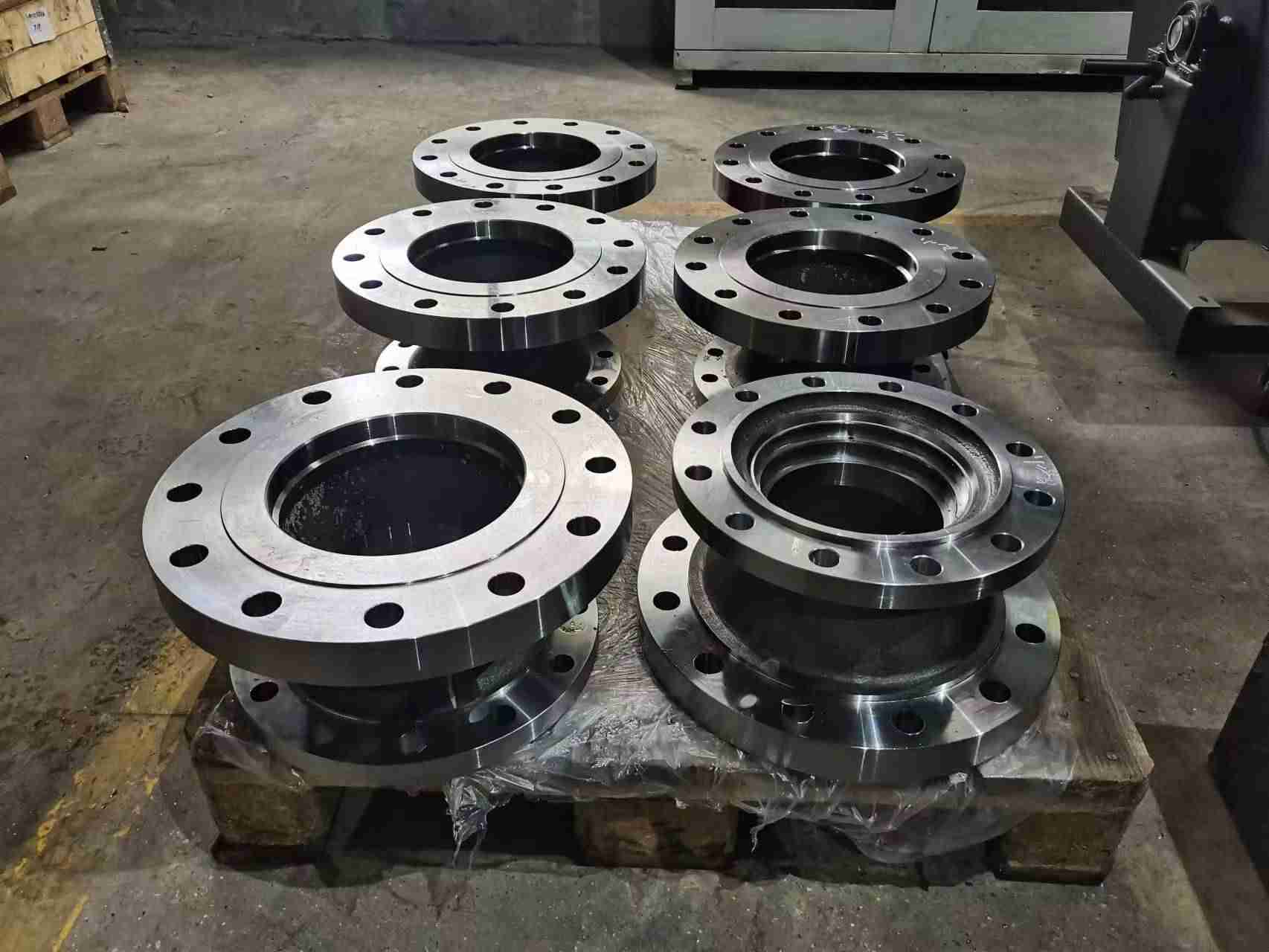
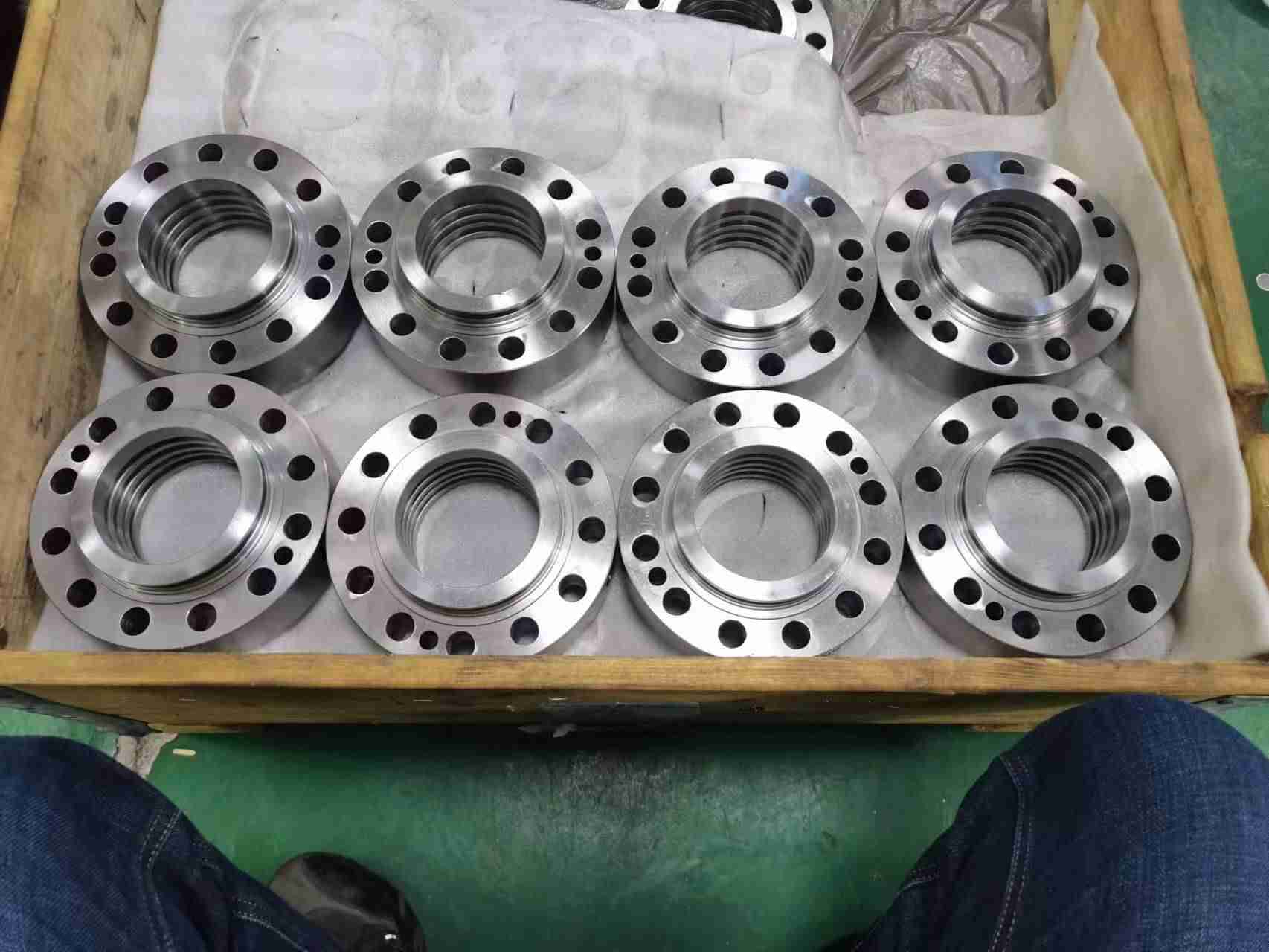
Steel is one of the most widely used materials in modern manufacturing because of its strength, toughness, wear resistance, and versatility. From automotive components and industrial machinery to construction equipment and energy systems, steel parts play an essential role in applications that require reliable mechanical performance. As product designs become more complex and manufacturing tolerances become tighter, CNC steel parts have become an important solution for producing high-quality components efficiently and consistently.
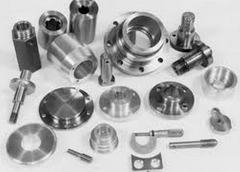
CNC machining uses computer-controlled equipment to perform operations such as milling, turning, drilling, boring, and threading. By following programmed machining instructions, manufacturers can produce steel components with precise dimensions, repeatable quality, and complex geometries. Compared with less automated machining methods, CNC machining also helps reduce manual errors and improve production consistency.
For manufacturers seeking dependable metal components, understanding how CNC steel parts improve accuracy, durability, and production efficiency can help guide material selection, supplier evaluation, and production planning.
1. How CNC Machining Improves the Accuracy of Steel Parts
Dimensional accuracy is essential for steel components that must fit precisely with other parts in an assembly. Even small deviations can affect alignment, movement, sealing performance, or load distribution. CNC machining helps manufacturers maintain tight tolerances by controlling tool movement, cutting parameters, and machining sequences.
Computer-Controlled Precision
CNC machines use programmed toolpaths to control cutting movements along multiple axes. Once a machining program has been verified, the same instructions can be repeated across production runs, helping maintain consistent dimensions from one part to the next.
This repeatability is particularly important for components such as shafts, mounting brackets, gears, housings, and precision steel fittings. These parts may require accurate hole locations, flat surfaces, concentric features, or carefully controlled dimensions to function correctly.
Actual achievable tolerances depend on the machine, tooling, workpiece geometry, steel grade, part size, and inspection method. For critical components, manufacturers should establish clear tolerances on engineering drawings and confirm that the selected machining process can meet them.
Complex Geometries and Multiple Machining Operations
Modern industrial products often contain components with multiple holes, slots, pockets, threaded features, and curved surfaces. CNC milling and turning make it possible to machine these features accurately according to the part design.
For example, a steel component may require milling on several surfaces, drilled mounting holes, and threaded connections. With an appropriate setup, CNC equipment can complete multiple operations while reducing repeated manual positioning.
For more complex components, multi-axis CNC machining can reach different surfaces and angles with fewer setups. Reducing the number of setups can help minimize positioning errors and improve the relationship between critical features.
Consistent Quality Across Production Batches
Manufacturers often need hundreds or thousands of identical steel parts for assembly lines, machinery production, or replacement-component inventories. CNC machining supports repeatable production by using standardized programs, tooling strategies, and inspection procedures.
First-article inspection can verify that the initial component meets the drawing requirements before the full production run begins. In-process measurement and final inspection can then help identify dimensional variation and prevent defective parts from progressing to later stages.
This approach is particularly valuable when steel parts must be interchangeable across multiple machines, product batches, or production locations.
2. How CNC Steel Parts Deliver Better Durability
Dimensional precision is only one aspect of component performance. Steel parts must also withstand mechanical loads, friction, vibration, impact, and sometimes corrosive environments. CNC machining supports durability by helping manufacturers control component geometry and produce surfaces suitable for the intended application.
Selecting the Right Steel Grade
Different steel grades provide different combinations of strength, hardness, toughness, machinability, and corrosion resistance. Selecting the appropriate material is therefore an important step in manufacturing durable CNC steel parts.
Common options include:
Carbon steel: Often used for general machinery components, structural parts, shafts, and brackets where strength and cost are important.
Alloy steel: Used for demanding mechanical applications that require specific strength, toughness, fatigue resistance, or hardenability characteristics.
Stainless steel: Suitable for applications requiring improved corrosion resistance, including food-processing equipment, chemical machinery, and certain medical or industrial devices.
Tool steel: Used for selected wear-resistant components, tooling, dies, and specialized industrial applications where high hardness is required.
The best material depends on operating loads, temperature, environmental exposure, service life, and budget. A machinist or manufacturing engineer can help evaluate these requirements before production begins.
Surface Finish and Wear Performance
The surface condition of a steel component can influence friction, sealing, lubrication, fatigue performance, and resistance to wear. CNC turning and milling can produce controlled surface finishes, while grinding or other finishing processes may be needed when tighter requirements apply.
For example, a precision steel shaft may require a smooth journal surface to support bearing operation. A hydraulic component may need carefully finished sealing surfaces to reduce the risk of leakage. A machine mounting surface may require flatness and dimensional consistency to ensure correct assembly.
The required surface roughness should be specified according to the component's function rather than assuming that every part needs the smoothest possible finish. Appropriate surface quality can improve performance while avoiding unnecessary machining costs.
Heat Treatment and Surface Treatment
Some CNC steel parts require additional processing to achieve the required mechanical properties or environmental resistance. Heat treatment can change hardness, strength, and toughness, depending on the steel grade and treatment method.
Common processes include quenching and tempering, stress relieving, and other grade-specific treatments. Surface treatments or coatings may also be used to improve corrosion resistance, reduce friction, or increase surface hardness.
The order of machining and heat treatment matters. Heat treatment can cause distortion or dimensional changes, so critical components may require machining allowances and finish machining after treatment. Coordination between the CNC machining supplier and the heat-treatment provider helps ensure that the final part meets the drawing requirements.
3. How CNC Steel Parts Improve Production Efficiency
Manufacturing efficiency involves more than machining a part quickly. It also includes setup time, material utilization, tool life, inspection effort, rework, delivery reliability, and the total cost of producing acceptable components.
CNC machining can improve efficiency by making these activities more predictable and easier to control.
Reduced Manual Operations
Traditional machining methods may require operators to perform more manual positioning and adjustments. CNC equipment automates many cutting movements, allowing operators to focus on setup, monitoring, tool changes, and quality control.
Once a part program has been developed and validated, it can be reused for repeat orders with appropriate adjustments for tooling, machine condition, or material variation. This can reduce preparation time for recurring production and improve consistency between batches.
Automation does not eliminate the need for skilled machinists. Programming, workholding, cutting-tool selection, and process verification remain essential to achieving reliable results.
Shorter Production Cycles
Efficient toolpaths and suitable cutting parameters can reduce unnecessary movements and machining time. CNC turning is particularly effective for cylindrical parts such as shafts, pins, bushings, and threaded components. CNC milling is useful for parts requiring pockets, flat surfaces, slots, and complex profiles.
When the component design and machine capabilities permit, combining operations or using multi-axis equipment can reduce repeated setups and intermediate handling.
However, the fastest cutting strategy is not always the most economical. Excessive cutting speeds or aggressive feeds may shorten tool life, affect surface quality, or increase the risk of dimensional variation. A balanced machining strategy considers cycle time, tool wear, quality, and total production cost.
Better Material Utilization
Steel can represent a significant portion of the total manufacturing cost, especially for large or high-value components. Efficient part design, appropriate stock dimensions, and optimized machining strategies can help reduce material waste.
For parts machined from bar stock, plate, or forgings, manufacturers can select suitable starting dimensions and plan toolpaths to minimize unnecessary removal. For complex or high-volume components, near-net-shape blanks may reduce the amount of machining required.
Material selection should also account for the finished component's performance requirements. Reducing waste is beneficial, but not if it compromises strength, fatigue life, or other essential properties.
Improved Production Planning
CNC machining supports repeatable production planning because programs, tooling requirements, estimated cycle times, and inspection steps can be documented. This helps manufacturers estimate lead times, allocate machine capacity, and coordinate production with downstream operations.
For customers ordering custom CNC steel parts, clear drawings, material specifications, tolerances, surface-finish requirements, and annual or batch quantities can help suppliers prepare more accurate quotations and schedules.
Stable production planning is particularly valuable for equipment manufacturers that rely on a continuous supply of machined steel components.
4. Common Industrial Applications of CNC Steel Parts
CNC steel parts are used across industries because they can be manufactured in a wide range of shapes, sizes, and mechanical specifications.
Automotive and Transportation
Automotive and transportation equipment use machined steel shafts, pins, brackets, mounting components, transmission-related parts, and other precision elements. These parts may require accurate interfaces, consistent dimensions, and suitable fatigue performance.
CNC machining is useful for both prototype development and production components, especially when engineering changes or customized designs are required.
Industrial Machinery and Automation
Industrial machines rely on steel components for load-bearing structures, shafts, couplings, fixtures, guides, and mechanical interfaces. Precision-machined parts help maintain alignment and support dependable operation.
In automated production equipment, dimensional consistency can also simplify assembly, replacement, and maintenance.
Construction and Heavy Equipment
Construction machinery and heavy equipment operate under demanding conditions involving impact, vibration, and substantial mechanical loads. CNC-machined steel components may include pins, bushings, brackets, mounting parts, and selected hydraulic or mechanical components.
Material grade, heat treatment, dimensional accuracy, and surface condition should be selected according to the component's actual loading conditions and service environment.
Energy and Industrial Processing
Energy equipment, pumps, compressors, and industrial processing systems may require custom steel components with specific dimensions, threads, sealing surfaces, and material properties.
For these applications, traceability, inspection documentation, and compliance with relevant engineering specifications can be as important as machining capability.
5. Choosing the Right CNC Steel Parts Manufacturer
The quality of CNC steel parts depends on the supplier's equipment, engineering expertise, process control, and inspection capabilities. Choosing a suitable manufacturing partner helps reduce the risk of dimensional problems, inconsistent batches, and delivery delays.
Evaluate Machining Capabilities
Confirm that the supplier has the appropriate CNC milling, turning, drilling, boring, or grinding capabilities for your part. Complex components may require multi-axis machining, specialized fixtures, or secondary operations.
It is also important to verify the supplier's maximum workpiece dimensions, machine capacity, and ability to process the selected steel grade.
Review Quality Control Procedures
A reliable manufacturer should have a defined inspection process that matches the component's critical characteristics. Depending on the part, inspection may include dimensional measurement, thread verification, surface roughness measurement, hardness testing, or material certification review.
For demanding applications, customers may require first-article inspection reports, material traceability, or documented process controls. These requirements should be agreed upon before production begins.
Consider Prototyping and Production Flexibility
Some projects start with a small number of prototype parts before moving to volume production. A manufacturer that can support both stages may simplify the transition from design validation to repeat orders.
During the prototype stage, machining feedback can identify opportunities to improve manufacturability, reduce unnecessary tolerances, or simplify setups. Any design changes must preserve the component's functional and safety requirements.
Compare Total Cost, Not Just Unit Price
A low quoted price does not always represent the lowest overall cost. Material quality, machining accuracy, finishing, inspection, packaging, delivery, and the risk of rework all affect the total cost of ownership.
When comparing suppliers, make sure quotations use the same material grade, drawing revision, tolerance requirements, surface finish, order quantity, and delivery conditions. This makes the comparison more meaningful and reduces the risk of unexpected costs later.
6. Design Considerations for More Efficient CNC Steel Parts
Part design has a direct effect on machining cost, production time, and achievable quality. Engineers can improve manufacturability by considering machining requirements early in the design process.
First, specify tolerances according to functional needs. Applying extremely tight tolerances to noncritical features can increase machining and inspection costs without improving product performance.
Second, consider tool access. Deep pockets, narrow slots, sharp internal corners, and complex geometries may require specialized tooling or additional setups. Where possible, designs that allow standard cutting tools to reach important surfaces are easier to manufacture.
Third, choose the steel grade based on actual performance requirements. A higher-strength or more difficult-to-machine material may be necessary for some applications, but unnecessary material upgrades can increase both raw-material and machining costs.
Finally, identify critical surfaces, hole positions, threads, and assembly interfaces clearly on engineering drawings. Complete technical information helps the CNC manufacturer select the right process and avoid assumptions that could lead to defects.
CNC steel parts help manufacturers achieve a valuable combination of dimensional accuracy, mechanical durability, and production efficiency. Computer-controlled machining supports repeatable dimensions and complex geometries, while suitable steel grades, surface finishes, and heat treatments help components meet their service requirements.
At the same time, efficient programming, optimized toolpaths, reduced setups, and documented inspection procedures can improve manufacturing productivity and control costs.
To obtain the best results, manufacturers should consider material selection, component design, machining capabilities, and quality control as parts of one integrated process. Working with an experienced CNC steel parts supplier can help businesses produce dependable components, simplify assembly, reduce rework, and maintain consistent quality across production runs.
About AJL Machining:
AJL Machining is a professional and industry-leading one-stop workshop for custom metal parts services. We have our own factory and a reliable network of partners that enable us to cater to your requirements ranging from prototypes to large-scale production. Our competitive edge is our ability to ensure that all of your parts are produced according to specifications, within budget, and delivered on time to meet your evolving demands. Presently, we serve over 80% of our business to multinational corporations in China, as well as overseas customers.
To learn more, please don't hesitate to contact us via email at sales@ajlmachining.com, or visit our website at www.ajlmachining.com

AJL Machining is a professional and industry-leading one-stop shop for custom metal parts services. We have our own factory and a reliable network of partners that enable us to cater to your requirements ranging from prototypes to large-scale production.
Add: No 58, Chenghu Road, Kunshan, Suzhou City, Jiangsu Province, China 215333
Email:sales@ajlmachining.com
Tel: +8613522650203
 English
 China