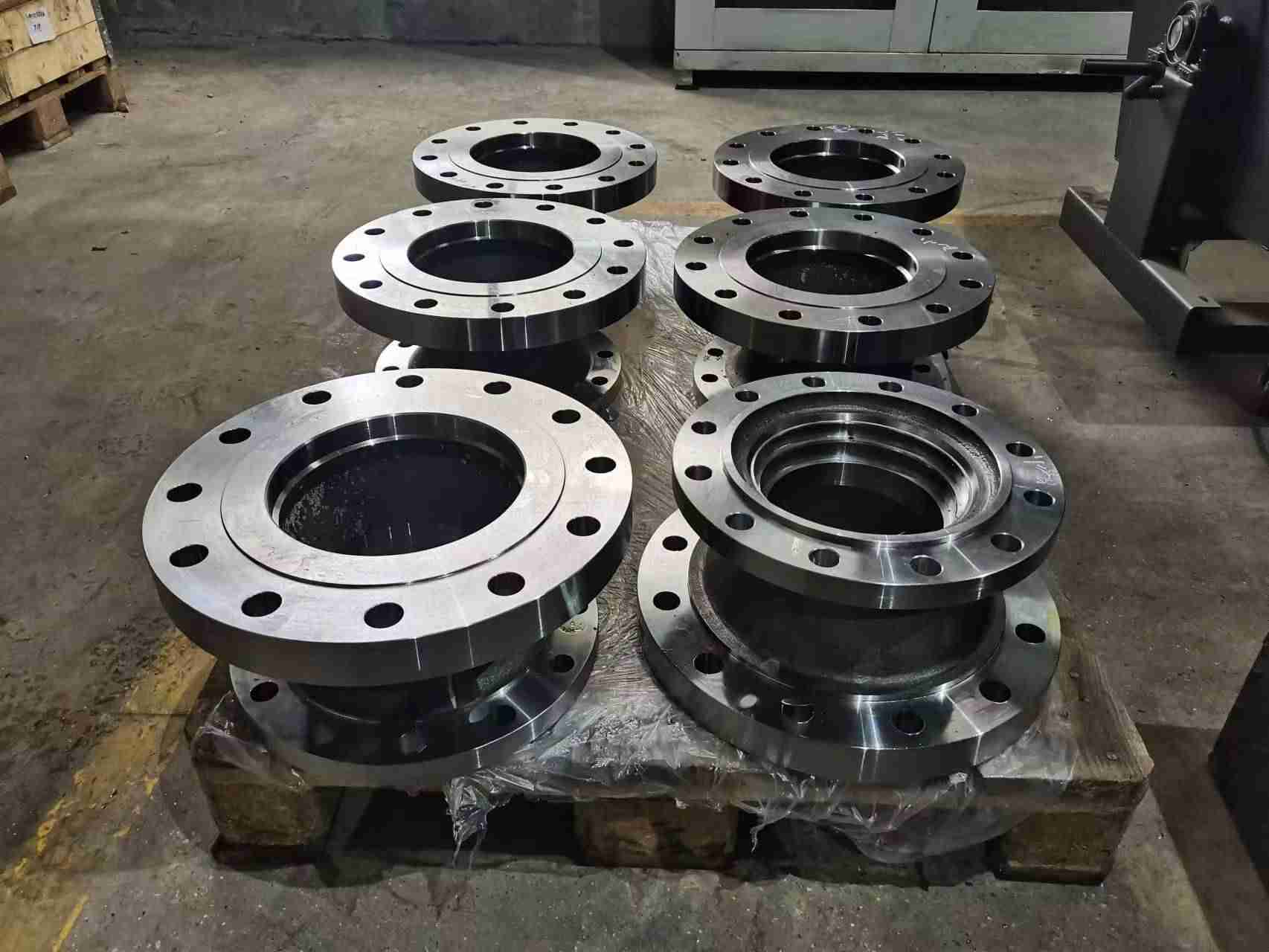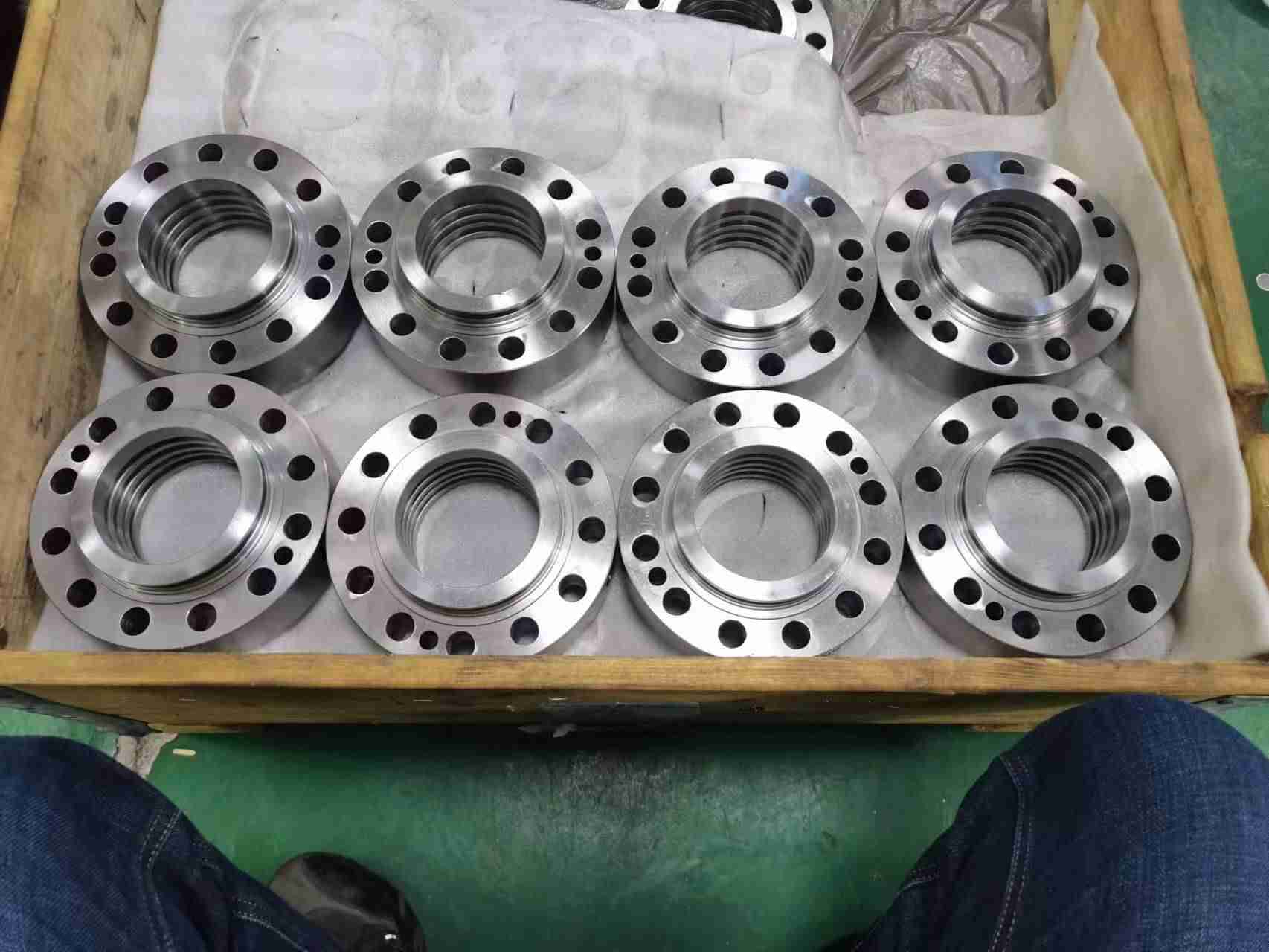

Inquiry

Project Review

Machining

Quality Control

Pass/Fail

Delivery
In modern manufacturing, precision, productivity, and consistent product quality are essential for maintaining competitiveness. Vertical Machining Center (VMC) machining has become an important manufacturing solution for producing complex metal components with high dimensional accuracy and repeatable quality. By combining computer numerical control (CNC), automated tool changing, and multi-operation machining capabilities, VMC machining helps manufacturers streamline production and reduce manual intervention.
From automotive components and industrial machinery parts to aluminum housings and precision engineering components, VMC machining supports a wide range of manufacturing applications. Understanding how this technology improves accuracy and manufacturing efficiency can help businesses select the right machining processes for their production requirements.
1. VMC Machining
VMC machining refers to the use of a Vertical Machining Center, a CNC machine tool in which the spindle is oriented vertically. The cutting tool rotates while the workpiece is secured to a table, allowing machining operations to be performed according to programmed instructions.
VMC machines are commonly used for milling, drilling, tapping, boring, and other cutting operations. Depending on the machine configuration, they can process a variety of materials, including aluminum, carbon steel, stainless steel, brass, and selected engineering plastics.
One major advantage of VMC machining is its ability to perform multiple operations within a single setup. Instead of transferring a workpiece between several machines, manufacturers can complete many features on one machine, reducing handling time and improving dimensional consistency.
Modern VMC equipment can also incorporate automatic tool changers, probing systems, and advanced CNC controls. These features help manufacturers produce complicated components efficiently while maintaining precise machining parameters.
2. Improving Dimensional Accuracy and Repeatability
Dimensional accuracy is one of the most important benefits of VMC machining. Many industrial components require carefully controlled dimensions, hole positions, surface finishes, and geometric relationships. Even small deviations can cause assembly problems, affect equipment performance, or increase rejection rates.
VMC machines use CNC programs to control tool movement, spindle speed, feed rate, and cutting depth. Once a machining program has been properly developed and validated, it can be reused to produce multiple components with consistent machining operations.
Several factors contribute to this accuracy:
Precise tool positioning: CNC control systems coordinate movement along the machine's axes, allowing complex profiles and accurately positioned features to be machined.
Stable workpiece fixturing: Proper clamping reduces unwanted movement and helps maintain dimensional consistency during cutting.
Controlled cutting parameters: Appropriate speeds, feeds, and cutting depths help reduce vibration, tool deflection, and excessive heat.
Tool wear monitoring: Inspection and timely tool replacement help prevent dimensional changes caused by worn cutting edges.
In-process measurement: Touch probes and other measurement systems can verify selected features and support automatic workpiece alignment.
However, achieving tight tolerances depends on more than the machine itself. Tool condition, workholding, material properties, temperature, machine maintenance, and inspection procedures all influence the final result. Manufacturers should define realistic tolerances according to the component's functional requirements and verify them through suitable measurement methods.
3. Reducing Production Time Through Multiple Operations
Traditional machining workflows may require a component to move between several machines to complete milling, drilling, tapping, and other operations. Each transfer adds handling time and introduces opportunities for positioning errors.
VMC machining can consolidate many of these operations into a single setup. For example, an aluminum equipment housing may require a flat mounting surface, several drilled holes, tapped threads, and milled pockets. A suitably configured VMC can complete these features in a coordinated sequence without repeatedly removing and repositioning the workpiece.
This approach provides several production advantages.
First, fewer setups reduce non-cutting time. Operators spend less time moving components, changing fixtures, and establishing new reference points.
Second, completing related features in one setup helps preserve their positional relationships. This is particularly important for parts containing multiple holes, mounting surfaces, and interconnected features.
Third, automatic tool changers allow the machine to switch between different cutting tools according to the programmed sequence. When the program and tooling are optimized, this reduces manual tool changes and supports more continuous production.
For manufacturers handling recurring orders, standardized programs and fixtures can also shorten setup time for subsequent batches. The resulting improvements depend on part complexity, batch size, machine configuration, and the efficiency of the machining process.
4. Enhancing Productivity Through Automation
Automation is another important factor in VMC machining efficiency. CNC programming allows machining operations to run according to defined toolpaths, while automatic tool changers reduce the need for manual intervention during machining cycles.
Some VMC systems can also integrate workpiece probing, tool measurement, pallet changers, and robotic loading or unloading. These features can reduce idle time and help manufacturers make better use of available machine capacity.
For example, a manufacturer producing steel brackets or aluminum precision parts may use standardized fixtures to machine several workpieces in sequence. With appropriate tooling and process planning, the machine can complete repeated operations with less operator involvement.
Automation can also improve production consistency by reducing variation associated with manual positioning and repetitive tasks. Operators can focus on setup verification, quality inspection, tool management, and process improvement rather than performing every operation manually.
Nevertheless, automation is most effective when supported by reliable CNC programs, proper maintenance, safe operating procedures, and well-organized production planning. Automated equipment does not eliminate the need for skilled technicians or quality control.
5. Supporting Different Materials and Complex Geometries
VMC machining is suitable for a broad range of components and engineering applications. Its flexibility makes it useful for manufacturers that process different materials or produce parts with varying geometries.
Aluminum components: Aluminum is widely used in automotive equipment, electronics housings, industrial machinery, and lightweight structures. VMC machining can produce pockets, mounting surfaces, slots, and complex contours while maintaining the required dimensions.
Steel components: Carbon steel and alloy steel parts are used in machinery, tooling, fixtures, and load-bearing assemblies. Appropriate cutting tools, machining parameters, and workholding arrangements help manage cutting forces and tool wear.
Stainless steel parts: Stainless steel components may require carefully selected tools and cutting conditions because of their work-hardening characteristics and heat generation during machining.
Brass components: Brass is used for selected fittings, connectors, and industrial components. VMC machining can produce precise holes, slots, and milled features according to design specifications.
VMC machining is also suitable for components with stepped surfaces, drilled patterns, recessed features, and intricate profiles. For parts requiring machining on several sides, additional fixtures or multi-axis equipment may be necessary. The appropriate configuration depends on access requirements, tolerance specifications, and production volume.
6. Improving Surface Finish and Product Quality
Surface finish can influence the appearance, fit, friction, sealing performance, and functional reliability of a machined component. VMC machining helps control surface quality through programmed toolpaths, appropriate cutting tools, and repeatable machining parameters.
Factors affecting surface finish include tool geometry, spindle speed, feed rate, cutting depth, material hardness, machine rigidity, and vibration. Selecting the correct tool and optimizing these parameters can reduce visible tool marks and improve the consistency of finished surfaces.
For components requiring close-fitting assemblies, precision milling can help maintain flatness and dimensional relationships between mating surfaces. Where the design requires especially smooth finishes or tighter geometric control, manufacturers may combine VMC machining with grinding, polishing, or other finishing operations.
A robust quality-control process should include inspection of critical dimensions, hole locations, surface roughness, and geometric tolerances as specified by the engineering drawing. Coordinate measuring machines, precision gauges, and surface roughness testers can be used where appropriate.
By integrating inspection into production planning, manufacturers can identify deviations early, reduce rework, and maintain consistent quality across production batches.
7. Reducing Manufacturing Costs and Material Waste
VMC machining can help lower total manufacturing costs by improving process efficiency, reducing unnecessary handling, and minimizing quality problems.
Completing several operations in one setup can reduce labor requirements and shorten production cycles. Consistent CNC programs also help manufacturers reproduce validated processes for repeat orders, reducing the time required for planning and setup.
Material utilization is another important consideration. Efficient toolpaths can reduce unnecessary cutting movements and, in some applications, minimize machining time and material removal. For components produced from expensive alloys, effective process planning can help reduce scrap and improve overall resource utilization.
However, VMC machining is not automatically the lowest-cost option for every component. Highly complex parts, low-volume production, extensive finishing requirements, or difficult-to-machine materials may increase machining time and tooling costs. Manufacturers should evaluate the full production process, including material procurement, programming, setup, machining, inspection, and finishing.
The most cost-effective approach balances the required quality level with production volume, component complexity, and delivery expectations.
8. How to Choose a Reliable VMC Machining Service Provider
Selecting a capable VMC machining supplier is important for ensuring consistent quality and dependable delivery. Businesses should evaluate the supplier's equipment, technical expertise, inspection capabilities, and experience with comparable components.
Key considerations include:
Machine capability: Confirm that the available machine travel, spindle performance, tool capacity, and axis configuration are suitable for the component.
Material experience: Ensure the supplier understands the machining requirements of the specified metals or engineering plastics.
Engineering support: A capable supplier should be able to review drawings, identify potential manufacturing challenges, and recommend practical process improvements.
Quality assurance: Check whether the supplier can verify critical dimensions and provide inspection reports when required.
Production flexibility: Evaluate the supplier's ability to handle prototypes, small batches, and recurring production orders.
Delivery and communication: Clear technical communication and realistic lead times help prevent misunderstandings and production delays.
Providing complete engineering drawings, material specifications, tolerance requirements, surface-finish details, and order quantities helps the supplier prepare an accurate quotation and suitable manufacturing plan.
VMC machining improves manufacturing accuracy and efficiency by combining precise CNC control, multiple machining operations, automation, and repeatable production processes. It helps manufacturers reduce setup time, maintain dimensional consistency, improve surface quality, and produce complex metal components for a wide range of industries.
Successful results depend on selecting the right machine configuration, optimizing cutting parameters, maintaining tooling, securing workpieces properly, and implementing effective quality inspection. By partnering with an experienced VMC machining service provider, businesses can improve production reliability, manage manufacturing costs, and meet demanding engineering specifications.
As industrial products continue to require greater precision and shorter production cycles, VMC machining remains a valuable solution for efficient, high-quality component manufacturing.
About AJL Machining:
AJL Machining is a professional and industry-leading one-stop workshop for custom metal parts services. We have our own factory and a reliable network of partners that enable us to cater to your requirements ranging from prototypes to large-scale production. Our competitive edge is our ability to ensure that all of your parts are produced according to specifications, within budget, and delivered on time to meet your evolving demands. Presently, we serve over 80% of our business to multinational corporations in China, as well as overseas customers.
To learn more, please don't hesitate to contact us via email at sales@ajlmachining.com, or visit our website at www.ajlmachining.com

AJL Machining is a professional and industry-leading one-stop shop for custom metal parts services. We have our own factory and a reliable network of partners that enable us to cater to your requirements ranging from prototypes to large-scale production.
Add: No 58, Chenghu Road, Kunshan, Suzhou City, Jiangsu Province, China 215333
Email:sales@ajlmachining.com
Tel: +8613522650203
 English
 China