
Inquiry

Project Review

Machining

Quality Control

Pass/Fail

Delivery
As industrial products become more sophisticated, manufacturers require metal components with increasingly precise dimensions, consistent quality, and reliable performance. From automotive and aerospace equipment to hydraulic systems and industrial machinery, accurately machined parts are essential for ensuring proper assembly and long-term operation. An advanced CNC turning parts factory can help businesses meet these requirements through automated machining technology, professional engineering support, and comprehensive quality control.

CNC turning is widely used to manufacture cylindrical and rotational components with tight dimensional tolerances. By combining computer-controlled machines, suitable cutting tools, and optimized production processes, a professional factory can produce custom components efficiently for different industries.
CNC Turning
CNC turning is a subtractive manufacturing process in which a workpiece rotates while a cutting tool removes material to achieve the required shape and dimensions. The machining process is controlled by computer programs that determine tool movement, spindle speed, feed rate, and cutting depth.
Compared with conventional manual turning, CNC turning offers greater automation and repeatability. Once the machining program has been properly developed and verified, the machine can produce multiple components with consistent specifications.
Common CNC-turned parts include:
Shafts and pins
Bushings and sleeves
Threaded connectors and fasteners
Hydraulic and pneumatic fittings
Precision spacers and adapters
Valve components
Custom cylindrical metal parts
These components are used in applications where dimensional accuracy, surface quality, and reliable mechanical performance are important.
Key Capabilities of an Advanced CNC Turning Parts Factory
A professional CNC turning parts factory needs more than basic turning equipment. Its manufacturing capabilities should cover the entire production process, from material selection and engineering review to machining, inspection, and delivery.
1. Advanced CNC Turning Equipment
Modern CNC turning machines provide automated control over cutting operations. Depending on production requirements, a factory may use standard CNC lathes, multi-axis turning centers, or machines equipped with live tooling.
Advanced turning centers can perform multiple operations, including turning, drilling, tapping, and milling. This reduces the need to transfer workpieces between different machines and helps improve production efficiency.
For components with complex features, multi-axis equipment can complete more operations in a single setup. Fewer setups also reduce repositioning errors and improve the consistency of critical dimensions.
2. Precision Machining for Complex Components
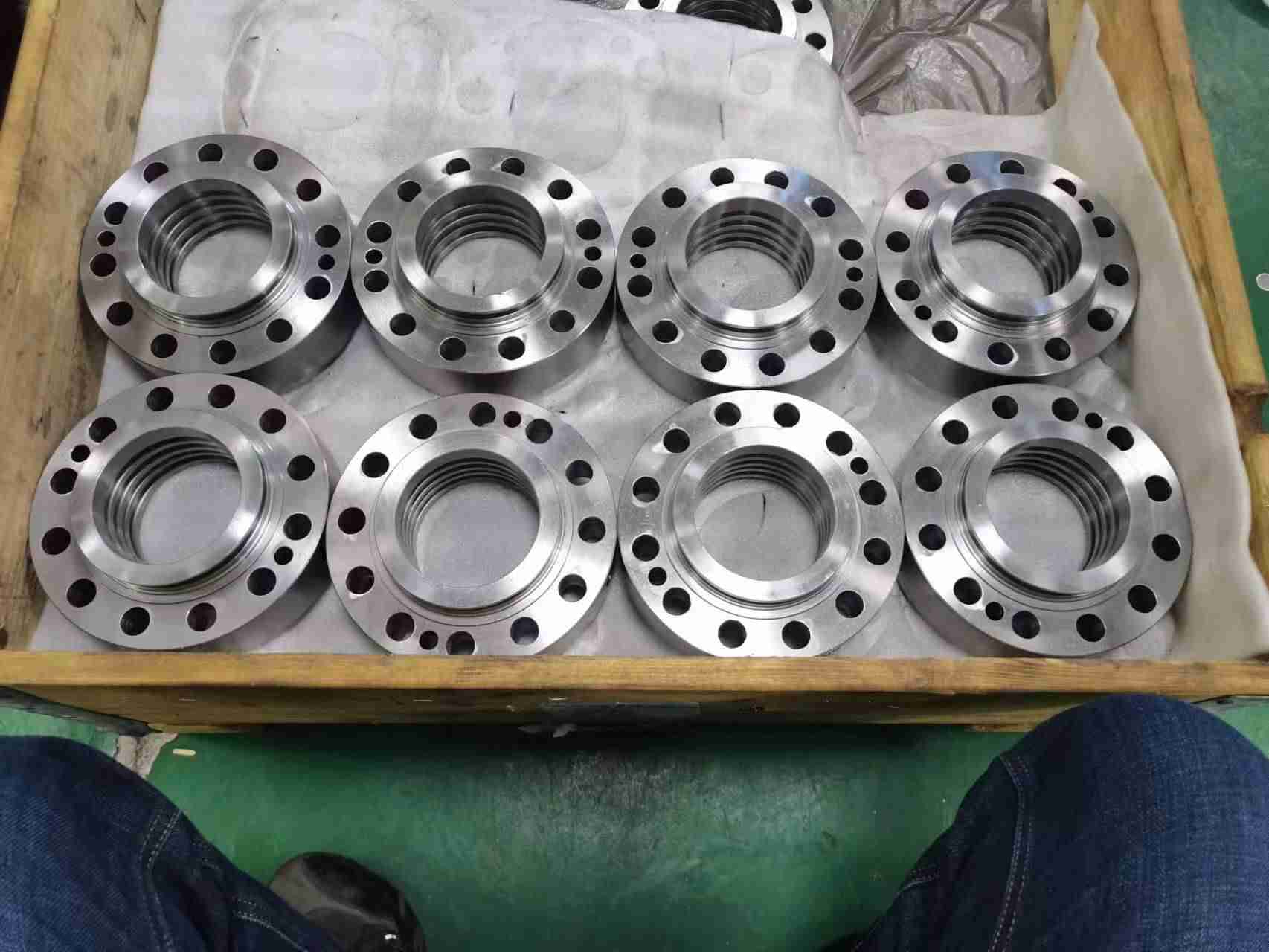
Industrial components often contain several precision features, such as stepped diameters, internal bores, grooves, threads, and angled surfaces. These features must be manufactured according to engineering drawings and specified tolerances.
An experienced factory can optimize machining sequences and cutting parameters to achieve the required dimensions. Proper workholding, tool selection, and machine calibration are also essential for maintaining accuracy.
For components requiring both rotational and non-rotational features, CNC turning can be combined with CNC milling and drilling. This integrated approach makes it possible to manufacture more complex parts without unnecessary production steps.
3. Wide Range of Material Processing
Different industrial applications require different metal materials. A capable CNC turning parts factory should have experience machining a variety of metals and alloys.
Common materials include:
Aluminum alloys: Lightweight and corrosion-resistant, suitable for housings, connectors, and automotive components.
Stainless steel: Offers good corrosion resistance and mechanical strength for valves, fittings, and industrial equipment.
Carbon steel: Widely used for shafts, mechanical components, and load-bearing parts.
Alloy steel: Suitable for components requiring higher strength, hardness, or wear resistance.
Brass and copper: Commonly used for electrical connectors, plumbing fittings, and fluid-control components.
Titanium alloys: Used in demanding applications where high strength-to-weight ratio and corrosion resistance are required.
Material selection should consider operating conditions, mechanical loads, corrosion exposure, machinability, and overall project cost.
4. Custom Manufacturing and Flexible Production
Not every industrial project requires standard components. Many businesses need customized CNC turning parts designed to fit specific equipment or assembly requirements.
A professional factory should be able to work from engineering drawings, CAD models, or customer-provided specifications. Engineering teams can review component geometry, identify potential machining challenges, and recommend suitable manufacturing methods.
Flexible production capabilities are also important. A reliable supplier should be able to support prototype development, small-batch manufacturing, and larger production orders according to customer requirements.
Quality Control in CNC Turning Manufacturing
Quality control is one of the most important capabilities of a CNC turning parts factory. Even small dimensional deviations can affect component assembly, sealing performance, rotational balance, or equipment reliability.
A comprehensive inspection process generally includes several stages.
Raw Material Inspection
Before machining begins, incoming materials should be checked against the required specifications. Material certificates and other documentation may be reviewed to confirm material grade and traceability.
In-Process Inspection
During production, operators and quality technicians can measure critical dimensions to identify machining deviations early. This helps reduce the risk of producing large quantities of nonconforming parts.
Final Dimensional Inspection
Finished components are inspected using appropriate measurement equipment, such as calipers, micrometers, bore gauges, and coordinate measuring machines (CMMs). The inspection method depends on component geometry and tolerance requirements.
Surface Quality Inspection
Surface roughness and visible defects should also be checked when they affect component function or appearance. Additional processes such as polishing, grinding, coating, or heat treatment may be required depending on the application.
A well-organized quality management system helps maintain production consistency and provides customers with greater confidence in the finished components.
Industrial Applications of CNC Turning Parts
CNC-turned components are used in a wide range of manufacturing sectors.
In the automotive industry, precision turning is applied to shafts, bushings, connectors, transmission components, and engine-related parts. Accurate dimensions help ensure proper fitting and mechanical performance.
In aerospace manufacturing, CNC turning supports the production of specialized fittings, precision shafts, and lightweight metal components. Material quality and manufacturing consistency are particularly important in this sector.
Hydraulic and pneumatic equipment manufacturers use CNC-turned valves, adapters, fittings, and connectors. These components often require accurate threads, bores, and sealing surfaces to prevent leakage and maintain stable system operation.
Industrial machinery also depends on turned components such as rollers, pins, sleeves, bearing-related parts, and mechanical connectors. Their dimensional accuracy can influence equipment performance, maintenance requirements, and service life.
How to Choose the Right CNC Turning Parts Factory
Selecting a suitable manufacturing partner involves evaluating its equipment, technical experience, quality standards, and production flexibility.
First, check whether the factory has the CNC turning capabilities needed for your component designs. Complex parts may require multi-axis turning, live tooling, or combined milling and turning operations.
Second, evaluate its experience with your specified materials. Different metals require different cutting tools and machining parameters, so material expertise can directly influence production quality.
Third, review the factory's inspection capabilities. Ask about dimensional measurement, material traceability, inspection reports, and procedures for handling nonconforming products.
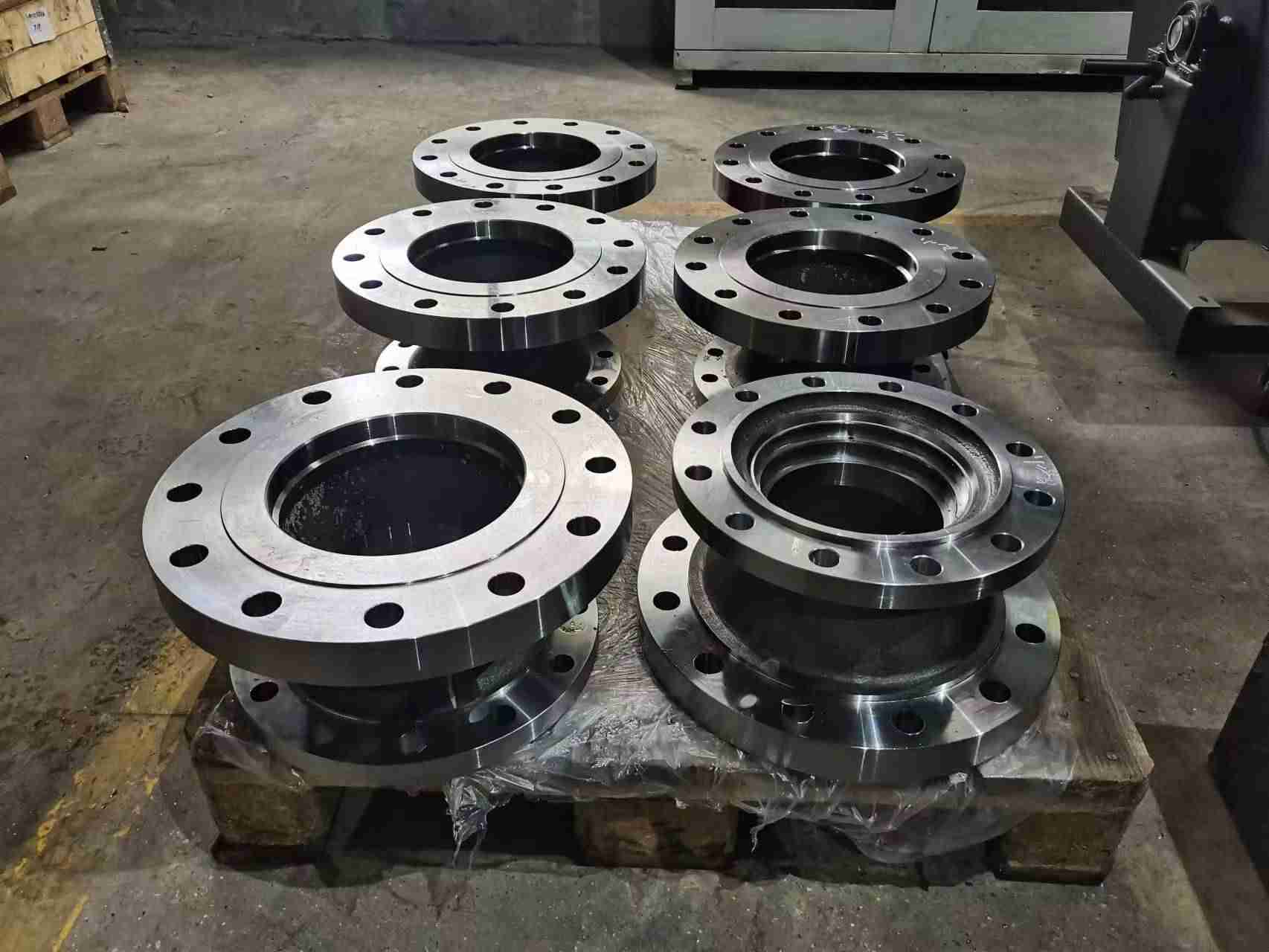
It is also worth considering whether the supplier can provide services beyond CNC turning. For projects involving unfinished castings or forgings, a manufacturing partner capable of sourcing raw blanks, performing precision machining, and managing complete fabrications and assembly can simplify the supply chain.
Finally, communication and delivery management should not be overlooked. Clear technical discussions, realistic lead times, and consistent production updates help reduce project risks.
Benefits of Working with an Experienced CNC Turning Parts Factory
Partnering with an experienced factory can provide several advantages.
Improved dimensional accuracy: Advanced equipment and controlled machining processes help produce components that meet engineering specifications.
Consistent production quality: Automated operations and systematic inspections support repeatable manufacturing results.
Greater production efficiency: Optimized machining sequences and multi-function equipment can reduce setup time and unnecessary handling.
Flexible customization: Professional manufacturers can produce components based on specific drawings, materials, and application requirements.
Better cost management: Efficient material utilization, tool selection, and production planning can help control overall manufacturing costs.
These advantages make professional CNC turning services valuable for companies seeking dependable custom metal components.
An advanced CNC turning parts factory plays an important role in modern precision manufacturing. With suitable CNC equipment, experienced technicians, material-processing capabilities, and comprehensive quality control, manufacturers can produce reliable components for demanding industrial applications.
When choosing a supplier, businesses should look beyond machining prices and evaluate the factory's complete manufacturing capabilities. A partner that can support engineering review, CNC turning, precision milling, raw casting and forging machining, fabrication, and assembly can offer a more integrated solution for complex industrial component projects.
About AJL Machining:
AJL Machining is a professional and industry-leading one-stop workshop for custom metal parts services. We have our own factory and a reliable network of partners that enable us to cater to your requirements ranging from prototypes to large-scale production. Our competitive edge is our ability to ensure that all of your parts are produced according to specifications, within budget, and delivered on time to meet your evolving demands. Presently, we serve over 80% of our business to multinational corporations in China, as well as overseas customers.
To learn more, please don't hesitate to contact us via email at sales@ajlmachining.com, or visit our website at www.ajlmachining.com

AJL Machining is a professional and industry-leading one-stop shop for custom metal parts services. We have our own factory and a reliable network of partners that enable us to cater to your requirements ranging from prototypes to large-scale production.
Add: No 58, Chenghu Road, Kunshan, Suzhou City, Jiangsu Province, China 215333
Email:sales@ajlmachining.com
Tel: +8613522650203
 English
 China