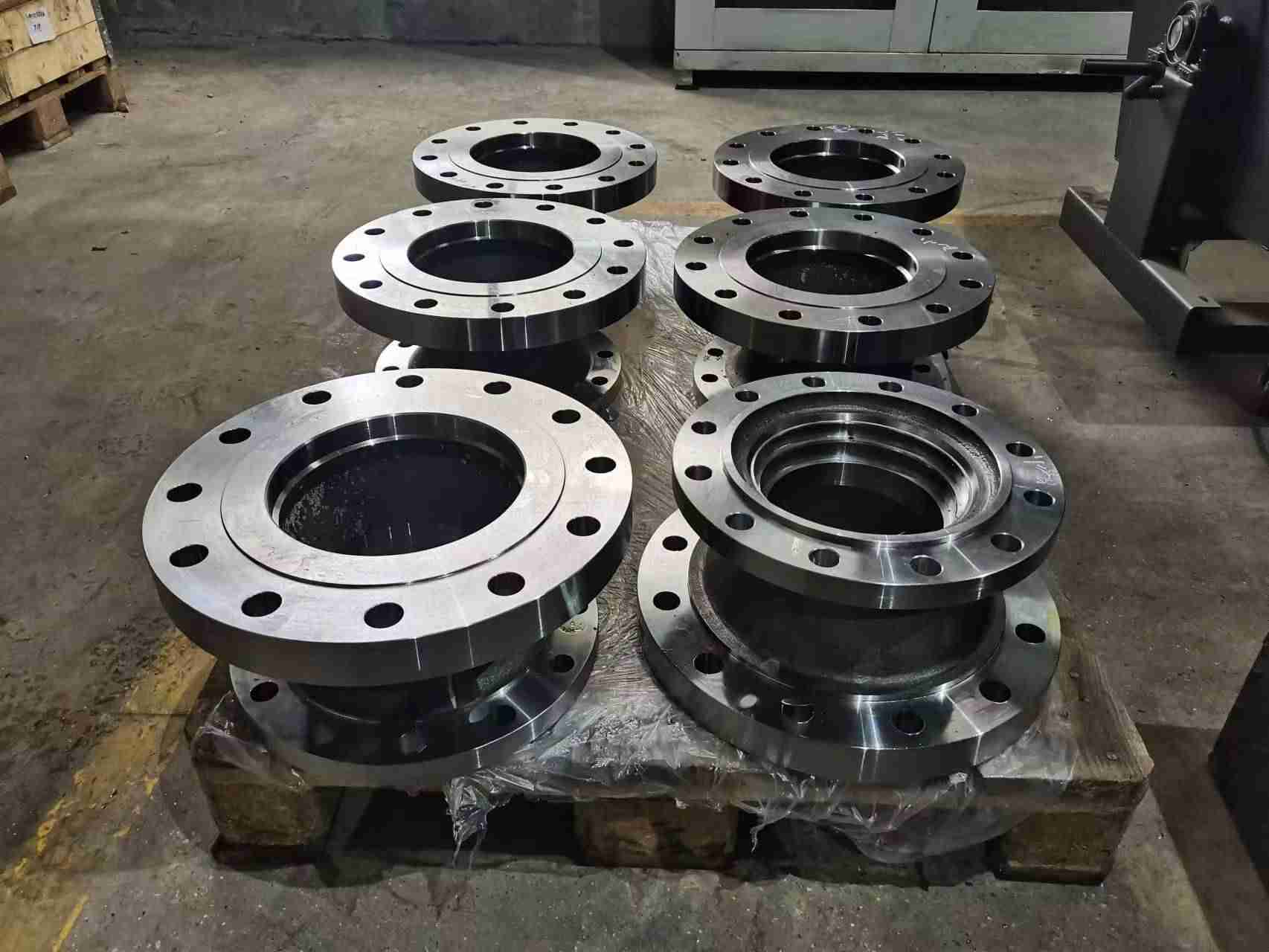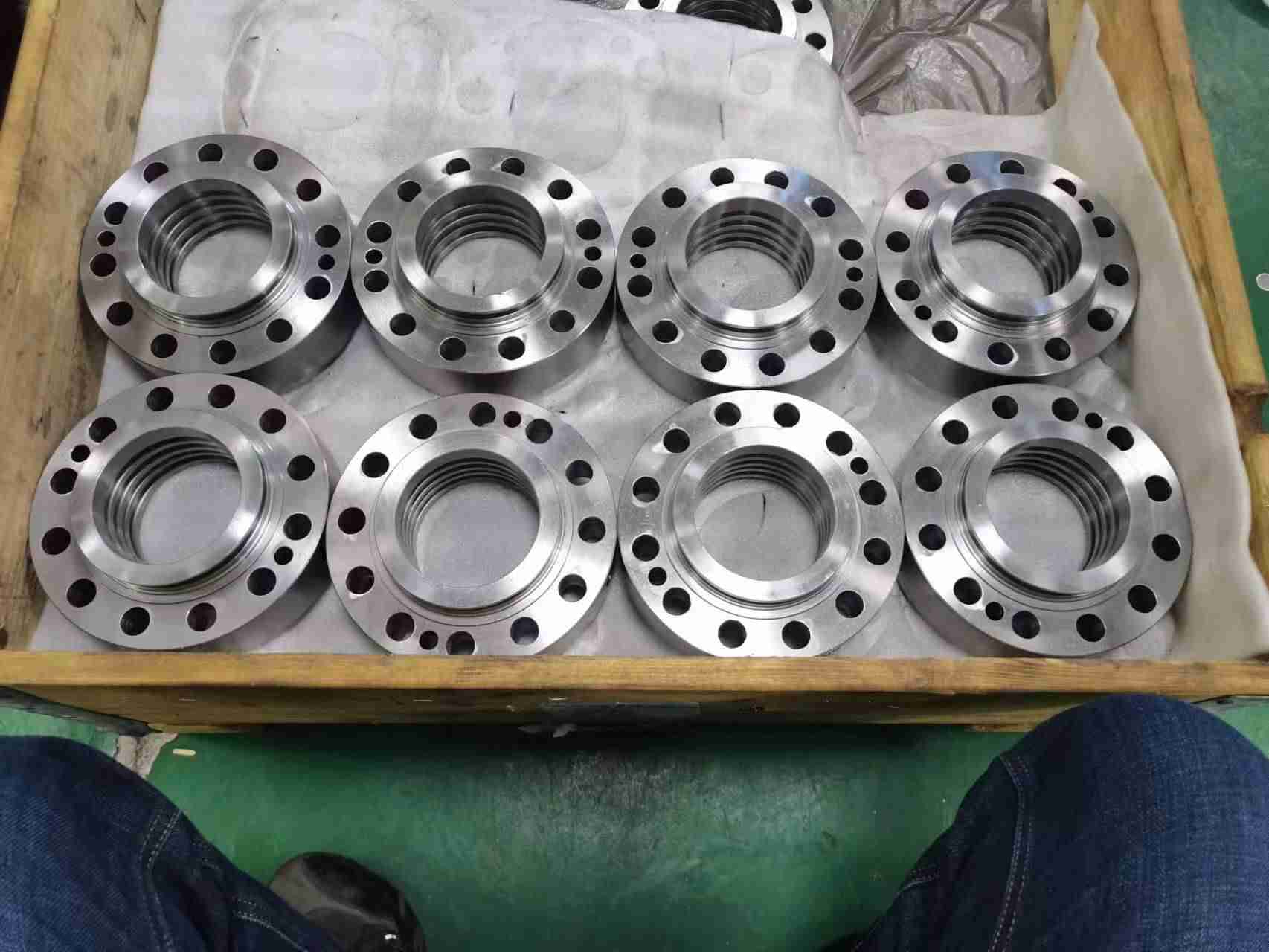

Inquiry

Project Review

Machining

Quality Control

Pass/Fail

Delivery
In today's competitive manufacturing environment, businesses need reliable ways to produce high-quality metal components while reducing development time and controlling production costs. Rapid machining & fabrication has become an important solution for companies that require precision metal parts, shorter lead times, and flexible manufacturing capabilities.
By combining advanced CNC machining technologies with modern metal fabrication processes, manufacturers can produce custom components for a wide range of industries. From prototypes and low-volume production runs to complex industrial assemblies, rapid machining and fabrication help transform engineering designs into functional products more efficiently.
Understanding the available processes, materials, applications, and quality-control requirements can help businesses select the right manufacturing solutions for their projects.
1. What Is Rapid Machining & Fabrication?
Rapid machining & fabrication refers to an integrated manufacturing approach that combines fast-turnaround machining and metal fabrication processes to produce custom components and assemblies.
Rapid machining typically involves CNC milling, CNC turning, drilling, tapping, grinding, and other precision cutting operations. These processes use computer-controlled equipment to manufacture parts according to engineering drawings and digital models.
Metal fabrication focuses on transforming sheet metal, plates, tubes, and structural materials into finished components. Common fabrication processes include laser cutting, punching, bending, welding, and assembly.
When these capabilities are combined, manufacturers can provide more complete solutions for projects involving multiple component types.
For example, an industrial equipment manufacturer may require precision-machined shafts, CNC-milled mounting brackets, laser-cut steel panels, and welded structural frames. A supplier with both machining and fabrication capabilities can coordinate these processes and simplify production management.
2. How Rapid Machining Accelerates Product Development
Speed is one of the main advantages of rapid machining. Traditional manufacturing workflows may involve multiple suppliers, separate tooling arrangements, and lengthy production preparation. Rapid machining helps simplify these stages through CNC programming, flexible equipment, and optimized production planning.
Faster Prototype Manufacturing
Product development often requires several prototype versions before a design is finalized. CNC machining allows engineers to produce functional metal prototypes directly from CAD models.
These prototypes can be used to evaluate dimensions, assembly compatibility, mechanical performance, and design functionality.
If adjustments are needed, the CNC program can be modified without requiring extensive changes to dedicated tooling. This makes rapid machining particularly useful for product development and engineering testing.
Flexible Low-Volume Production
Not every project requires thousands of components. Rapid machining supports small production batches and customized orders, allowing businesses to manufacture parts according to actual demand.
This flexibility is useful for specialized machinery, replacement components, equipment upgrades, and new product launches.
Reduced Manufacturing Lead Times
CNC equipment can perform multiple machining operations according to programmed sequences. Automatic tool changers and optimized toolpaths can reduce manual intervention and unnecessary machine downtime.
When combined with efficient material procurement and production scheduling, these capabilities help shorten the overall manufacturing cycle.
3. Key Processes Used in Rapid Machining & Fabrication
Different projects require different manufacturing methods. Selecting the right combination of processes is essential for achieving the required dimensions, mechanical properties, surface quality, and production efficiency.
CNC Milling
CNC milling uses rotating cutting tools to remove material from a stationary workpiece. It is suitable for producing flat surfaces, slots, pockets, holes, and complex geometries.
It is widely used for manufacturing machine housings, mounting plates, brackets, fixtures, and precision metal components.
CNC Turning
CNC turning is designed primarily for cylindrical components. The workpiece rotates while a cutting tool removes material to produce shafts, bushings, sleeves, pins, threaded parts, and other round components.
Modern turning centers can also perform drilling, threading, grooving, and selected milling operations.
Laser Cutting
Laser cutting uses a focused laser beam to cut sheet metal and plate materials according to digital designs. It is suitable for producing intricate profiles, panels, brackets, and custom sheet metal components.
Sheet Metal Bending
CNC press brakes can form sheet metal into accurate angles and shapes. This process is commonly used for equipment enclosures, cabinets, mounting structures, and industrial housings.
Welding and Assembly
Welding joins separate metal components to create structural assemblies. Depending on material and application requirements, manufacturers may use MIG, TIG, or other suitable welding processes.
Assembly operations can then integrate machined parts, fabricated structures, and purchased components into finished products.
Combining these processes under coordinated production management can reduce supplier complexity and improve manufacturing efficiency.
4. Materials for Precision Metal Parts
Material selection has a direct impact on component strength, machinability, corrosion resistance, weight, and overall production cost. A suitable material should meet the functional requirements of the finished product while remaining compatible with the selected manufacturing processes.
Common materials used in rapid machining & fabrication include:
Aluminum Alloys
Aluminum is widely used for lightweight components, equipment housings, brackets, mounting plates, and structural parts. Its relatively low density and good machinability make it suitable for rapid CNC production.
Stainless Steel
Stainless steel offers corrosion resistance and useful mechanical properties. It is commonly used for industrial equipment, food-processing machinery, chemical equipment, and components exposed to demanding environments.
Carbon Steel
Carbon steel is frequently selected for structural frames, brackets, machine bases, support plates, and general industrial components. Its mechanical properties and availability make it a practical option for many fabrication projects.
Alloy Steel
Alloy steels can provide enhanced strength, toughness, and wear resistance depending on their composition and heat treatment. They are used for shafts, mechanical parts, tooling components, and load-bearing applications.
Brass and Copper
Brass is commonly used for fittings, connectors, valves, and precision turned components. Copper is selected for applications requiring high electrical or thermal conductivity.
Titanium
Titanium alloys offer a high strength-to-weight ratio and corrosion resistance. They are used in aerospace, medical, and specialized engineering applications, although machining requires careful process control.
Selecting the appropriate material at the beginning of a project helps avoid unnecessary manufacturing costs and ensures that the finished component performs as intended.
5. Applications Across Different Industries
Rapid machining & fabrication supports a broad range of industrial sectors where customized metal components and short production lead times are important.
Automotive Manufacturing
Automotive manufacturers use precision-machined shafts, brackets, housings, fixtures, and fabricated structural components. Rapid manufacturing capabilities can support prototype development, equipment maintenance, and specialized production requirements.
Aerospace Engineering
Aerospace applications often require components with demanding dimensional tolerances, controlled material properties, and detailed inspection records. CNC machining is used to manufacture brackets, housings, structural components, and other precision parts.
Industrial Machinery
Machinery manufacturers require a variety of machined and fabricated components, including machine frames, mounting plates, shafts, support brackets, and equipment enclosures.
Combining machining and fabrication can simplify the production of complete machine assemblies.
Medical Equipment
Medical equipment manufacturers use precision metal components in instruments, equipment housings, mounting structures, and mechanical assemblies. Depending on the application, material traceability and specialized quality requirements may also apply.
Energy and Power Generation
The energy sector uses machined and fabricated metal components for equipment frames, mounting systems, housings, supports, and mechanical assemblies. Material selection and fabrication quality are important for ensuring reliable operation under specific environmental and mechanical conditions.
6. How Rapid Machining & Fabrication Improves Cost Efficiency
Faster manufacturing does not necessarily mean higher production costs. When processes are properly coordinated, rapid machining & fabrication can help businesses improve overall cost efficiency.
Reduced setup time: CNC programming and standardized fixtures can reduce repeated setup work, particularly for recurring production orders.
Fewer supplier transfers: Combining machining, fabrication, and assembly through one manufacturing partner can reduce transportation, handling, and coordination costs.
Lower inventory requirements: Flexible production allows businesses to manufacture components closer to actual demand rather than maintaining excessive stock.
Improved material utilization: Optimized cutting paths, nesting arrangements, and manufacturing plans can reduce material waste.
Earlier design validation: Rapid prototypes allow engineers to identify design problems before committing to larger production quantities.
However, the most economical solution depends on component complexity, material requirements, production volume, finishing specifications, and delivery expectations. A design review before production can help identify opportunities to reduce unnecessary machining operations and simplify fabrication.
7. Quality Control for Precision Metal Parts
Fast production must be supported by reliable quality management. A comprehensive inspection process helps ensure that finished components meet engineering specifications and perform consistently.
Important quality-control procedures include:
Material verification: Confirm that raw materials meet the specified grade and relevant documentation requirements.
Dimensional inspection: Check critical dimensions, hole positions, flatness, thickness, and geometric tolerances.
Machining inspection: Examine machined surfaces for burrs, scratches, tool marks, and dimensional deviations.
Welding inspection: Check weld appearance, joint dimensions, and other applicable acceptance criteria.
Surface finish inspection: Verify that polishing, coating, plating, or other finishing operations meet the specified requirements.
Final assembly inspection: Confirm that components fit correctly and that the completed assembly meets drawing specifications.
Depending on project requirements, manufacturers may use coordinate measuring machines (CMMs), precision gauges, surface roughness testers, and other inspection equipment.
For complex projects, first-article inspection and documented inspection reports can provide additional confidence before full production begins.
8. Choosing the Right Rapid Machining & Fabrication Partner
Selecting a capable manufacturing partner is essential for achieving consistent quality and dependable delivery.
Businesses should evaluate several factors when comparing suppliers.
First, review the manufacturer's equipment and technical capabilities. The supplier should have suitable CNC milling, CNC turning, cutting, bending, and welding resources for the required components.
Second, consider engineering support. An experienced manufacturer should be able to review technical drawings, identify potential production challenges, and recommend practical design-for-manufacturing improvements.
Third, examine quality-control procedures and inspection capabilities. Ask how materials are verified, how critical dimensions are measured, and how nonconforming products are managed.
Fourth, evaluate production flexibility. A reliable supplier should be able to handle prototype development, small-batch manufacturing, and larger recurring orders where appropriate.
Finally, consider communication, project management, packaging, and delivery performance. Clear technical communication helps prevent misunderstandings and keeps production activities aligned with project schedules.
For manufacturers requiring more than individual machined parts, choosing a supplier capable of producing complete fabrications and assemblies can offer additional value. For example, a long-term manufacturing partner that can work with raw castings and forgings, provide precision machining, and deliver complete fabrications and assemblies can simplify sourcing and improve coordination across the production process.
Rapid machining & fabrication provides an effective solution for businesses that need precision metal parts, flexible production capacity, and shorter manufacturing lead times. By combining CNC milling, CNC turning, laser cutting, sheet metal bending, welding, and assembly, manufacturers can produce customized components for a wide range of industrial applications.
The success of a rapid manufacturing project depends on selecting suitable materials, optimizing component designs, coordinating production processes, and maintaining strict quality control.
Working with an experienced machining and fabrication partner can help businesses reduce production complexity, improve component consistency, and manage manufacturing costs.
Whether the requirement involves functional prototypes, custom metal components, or complete industrial assemblies, rapid machining & fabrication offers the flexibility needed to support modern engineering and manufacturing projects.
About AJL Machining:
AJL Machining is a professional and industry-leading one-stop workshop for custom metal parts services. We have our own factory and a reliable network of partners that enable us to cater to your requirements ranging from prototypes to large-scale production. Our competitive edge is our ability to ensure that all of your parts are produced according to specifications, within budget, and delivered on time to meet your evolving demands. Presently, we serve over 80% of our business to multinational corporations in China, as well as overseas customers.
To learn more, please don't hesitate to contact us via email at sales@ajlmachining.com, or visit our website at www.ajlmachining.com

AJL Machining is a professional and industry-leading one-stop shop for custom metal parts services. We have our own factory and a reliable network of partners that enable us to cater to your requirements ranging from prototypes to large-scale production.
Add: No 58, Chenghu Road, Kunshan, Suzhou City, Jiangsu Province, China 215333
Email:sales@ajlmachining.com
Tel: +8613522650203
 English
 China