
Inquiry

Project Review

Machining

Quality Control

Pass/Fail

Delivery
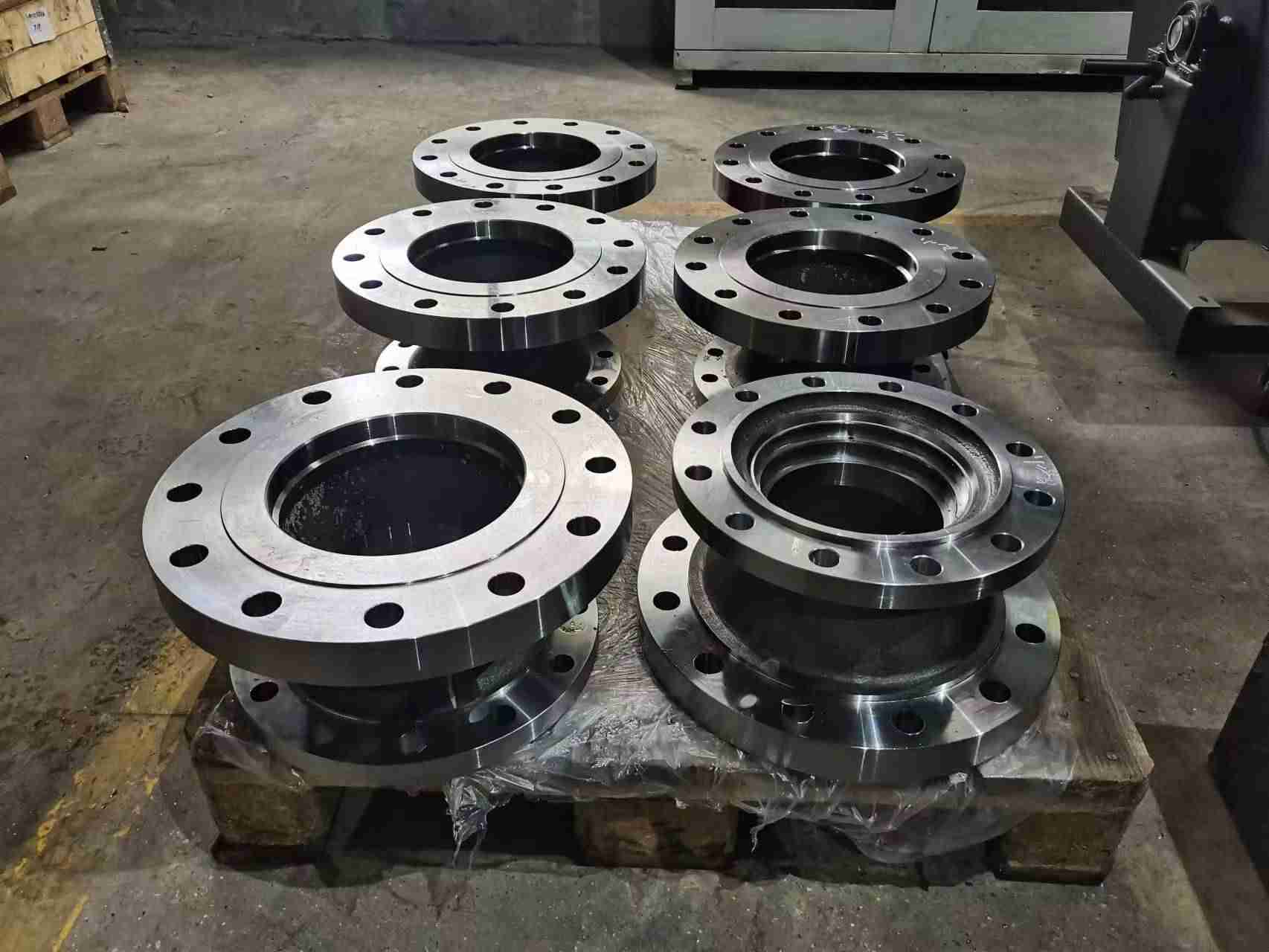
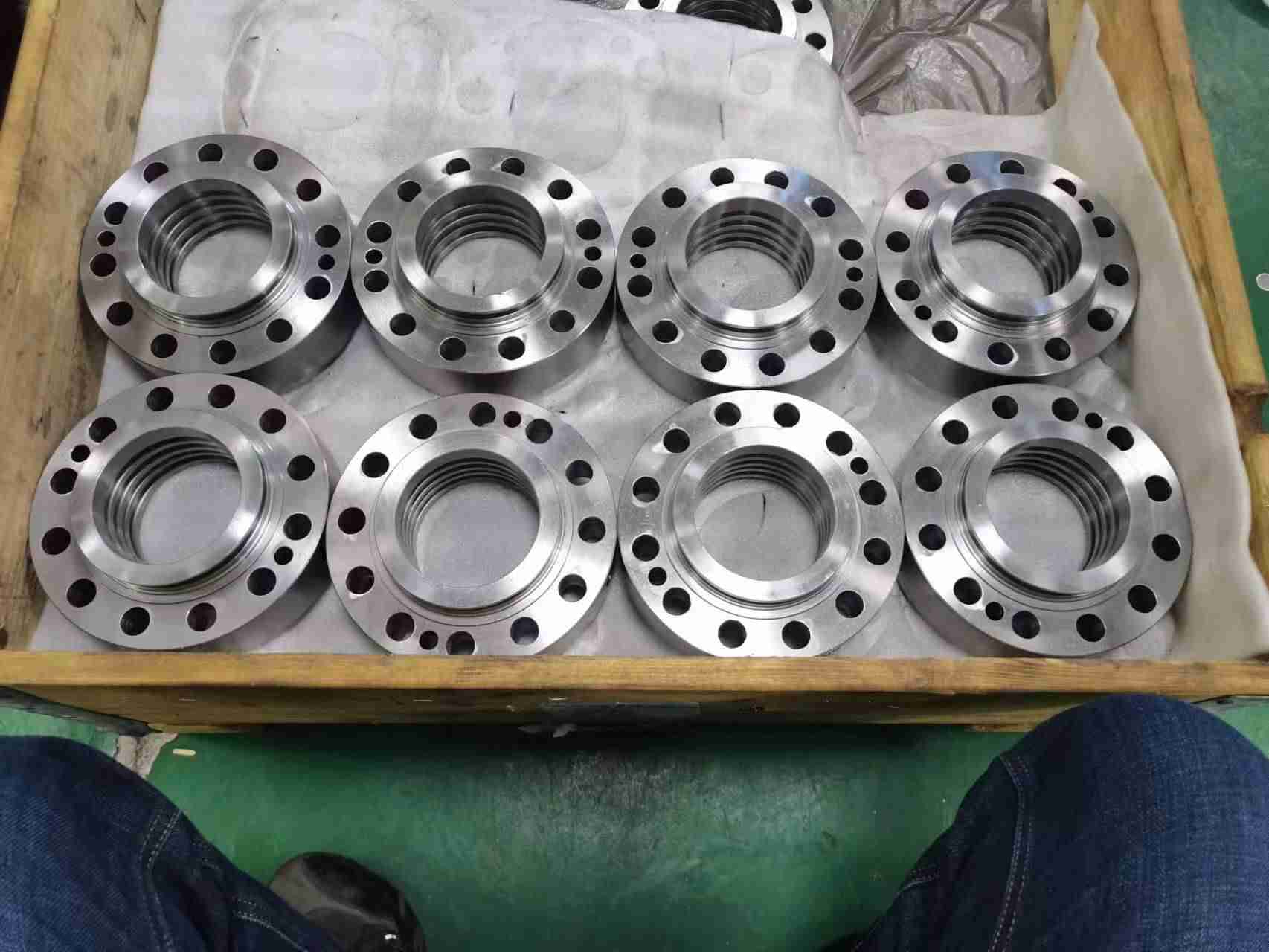
In modern manufacturing, precision, consistency, and production efficiency are essential for producing reliable industrial components. CNC machining milling turning has become one of the most widely used manufacturing solutions for producing custom metal parts with complex geometries and accurate dimensions.
By combining CNC milling and CNC turning technologies, manufacturers can process a wide variety of materials and produce components for industries such as automotive, aerospace, medical equipment, electronics, energy, and industrial machinery.
Whether a project requires a single prototype, a small production batch, or high-volume manufacturing, CNC machining provides the flexibility to meet different engineering requirements. Understanding the machining processes, material options, applications, and quality-control methods can help businesses choose the right manufacturing partner for custom industrial parts.
1. Understanding CNC Machining, Milling, and Turning
CNC machining refers to a manufacturing process in which computer-controlled machine tools remove material from a workpiece to achieve a specified shape and dimension. CNC programs control tool movements, cutting speeds, feed rates, and machining sequences, helping manufacturers produce components with repeatable accuracy.
CNC milling and CNC turning are two fundamental processes used in precision manufacturing.
CNC Milling
CNC milling uses rotating cutting tools to remove material from a stationary workpiece. The cutting tool moves along programmed axes to create different features, including flat surfaces, slots, pockets, holes, and complex contours.
CNC milling is particularly suitable for manufacturing components with irregular shapes or multiple machined surfaces.
Common CNC-milled parts include:
Machine housings and equipment enclosures
Mounting plates and brackets
Precision fixtures and tooling components
Structural aluminum components
Custom industrial frames and supports
Modern vertical and horizontal machining centers can perform multiple operations in one setup, reducing workpiece handling and improving production efficiency.
CNC Turning
CNC turning is primarily used to manufacture cylindrical or rotationally symmetrical components. During the process, the workpiece rotates while a cutting tool removes material to create the required geometry.
Typical CNC turning operations include facing, external turning, internal boring, grooving, drilling, and threading.
Common CNC-turned components include:
Shafts and pins
Bushings and sleeves
Threaded connectors and fittings
Rollers and spacers
Precision mechanical fasteners
Advanced CNC turning centers equipped with live tooling can also perform selected milling operations, allowing manufacturers to produce more complex components with fewer setups.
2. Advantages of Combining CNC Milling and Turning
Many industrial components contain both flat and cylindrical features. Using CNC milling and turning together allows manufacturers to select the most suitable machining process for each feature.
For example, a mechanical shaft assembly may require accurately turned cylindrical surfaces, threaded sections, cross-drilled holes, and milled slots. CNC turning can produce the primary cylindrical geometry, while CNC milling can create additional features that require different tool orientations.
Combining these processes offers several advantages.
Greater Design Flexibility
Manufacturers can produce components with complex shapes, multiple diameters, precision holes, slots, threads, and machined surfaces. This makes CNC machining suitable for customized industrial products.
Improved Dimensional Accuracy
Computer-controlled machining reduces variation caused by manual operations. When machining processes are properly programmed and validated, manufacturers can maintain consistent dimensions across production batches.
Reduced Setup Time
Advanced CNC machines can complete multiple operations without transferring the workpiece between several machines. Fewer setups can reduce handling time and help maintain the positional relationship between different features.
Higher Production Efficiency
Automatic tool changing, optimized cutting paths, and programmable machining sequences help reduce unnecessary machine downtime and improve production efficiency.
Consistent Product Quality
Once a machining process has been established, the same validated program can be used for repeat orders. This supports consistent manufacturing quality and simplifies production planning.
3. Materials Used in CNC Machining for Custom Industrial Parts
Material selection is an important part of CNC machining. Different materials have different mechanical properties, machinability, corrosion resistance, weight, and cost. The appropriate material depends on the component's operating environment and functional requirements.
Aluminum Alloys
Aluminum is widely used in CNC machining because of its relatively low density, good machinability, and useful strength-to-weight ratio.
Common applications include equipment housings, automotive components, electronic enclosures, mounting brackets, and lightweight structural parts.
Different aluminum grades offer different mechanical properties. For example, 6061 aluminum is frequently used for general engineering components, while 7075 aluminum is selected for applications requiring higher strength.
Stainless Steel
Stainless steel provides corrosion resistance, strength, and durability. It is commonly used for industrial equipment, food-processing machinery, chemical systems, medical equipment, and precision mechanical components.
Machining stainless steel requires appropriate cutting tools and parameters to manage heat generation and work hardening.
Carbon and Alloy Steel
Carbon steel and alloy steel are widely used for shafts, gears, mechanical supports, machine components, and load-bearing parts.
Depending on the application, heat treatment may be used to improve hardness, strength, or wear resistance.
Brass and Copper
Brass offers excellent machinability and is commonly used for fittings, connectors, valves, and precision turned components.
Copper is frequently selected for electrical and thermal applications because of its high conductivity. Its machining characteristics require suitable tooling and process control.
Titanium
Titanium alloys offer high strength-to-weight ratios and excellent corrosion resistance. They are used in aerospace, medical, and specialized engineering applications.
However, titanium machining requires careful control of cutting conditions, tooling, and heat generation.
Selecting the correct material before production helps ensure that custom industrial parts meet their performance requirements without unnecessary manufacturing costs.
4. Industrial Applications of CNC Machining Milling Turning
CNC machining milling turning supports a wide range of industries that require accurate, durable, and customized metal components.
Automotive Industry
Automotive manufacturers use CNC-machined components for engine systems, transmission assemblies, suspension systems, mounting brackets, and precision mechanical parts.
CNC milling and turning help produce components with consistent dimensions and reliable assembly interfaces.
Aerospace Industry
Aerospace applications often require lightweight materials, complex geometries, and carefully controlled tolerances. CNC machining is used to manufacture structural brackets, housings, shafts, fittings, and other precision components.
Material traceability and documented inspection procedures may also be important for these applications.
Medical Equipment Manufacturing
Medical equipment may incorporate precision-machined housings, connectors, instrument components, and mechanical assemblies. Depending on the application, manufacturers may need to meet additional material, cleanliness, and documentation requirements.
Industrial Machinery
Industrial machinery uses a broad range of CNC-milled and turned components, including shafts, bushings, machine bases, brackets, rollers, and mounting plates.
Reliable machining accuracy helps ensure proper assembly and stable equipment operation.
Electronics and Electrical Equipment
CNC machining is used to produce electronic housings, heat sinks, connectors, terminals, and precision mounting components. Aluminum, brass, copper, and stainless steel are common material choices depending on the required properties.
Energy and Power Generation
The energy industry requires precision components for power equipment, fluid systems, mechanical assemblies, and industrial installations. CNC machining can manufacture custom parts designed for specific operating conditions.
5. How CNC Machining Improves Manufacturing Accuracy
Manufacturing accuracy is determined by several factors, including machine capability, cutting tools, workpiece positioning, material properties, and inspection procedures.
Modern CNC equipment uses programmed coordinates and controlled tool movements to produce parts according to engineering drawings.
Several practices help improve machining accuracy.
Advanced CNC Programming
CAD and CAM software allow engineers to convert 3D models and technical drawings into machining instructions. Toolpaths can be simulated before production to identify potential collisions, inefficient movements, and machining problems.
Proper Tool Selection
Different materials and geometries require different cutting tools. Selecting suitable tool materials, coatings, diameters, and geometries helps reduce tool wear and improve surface quality.
Stable Workholding
Secure fixtures and clamping systems prevent unwanted workpiece movement during machining. This is particularly important when producing components with tight tolerances or multiple machined surfaces.
Machine Calibration and Maintenance
Regular machine inspection, calibration, spindle checks, and preventive maintenance help maintain positioning accuracy and reduce unexpected production problems.
Precision Inspection
Measurement equipment such as micrometers, calipers, bore gauges, and coordinate measuring machines (CMMs) can verify critical dimensions and geometric features.
By combining proper machining methods with effective inspection, manufacturers can improve product consistency and reduce the risk of rejected components.
6. Custom CNC Machining for Prototypes and Production Runs
One of the main benefits of CNC machining is its flexibility across different production stages.
Prototype Manufacturing
During product development, engineers often need physical samples to verify dimensions, functionality, and assembly compatibility.
CNC machining can produce prototypes directly from CAD designs without requiring expensive dedicated molds or dies. Design changes can be incorporated by updating the machining program.
This makes CNC milling and turning useful for engineering validation and product development.
Low-Volume Production
Small-batch manufacturing is suitable for customized industrial equipment, specialized replacement parts, and products with limited market demand.
CNC machining allows manufacturers to produce these components without committing to large production quantities.
High-Volume Production
For repeat orders and larger production runs, standardized CNC programs, dedicated fixtures, and optimized machining parameters can improve productivity.
Advanced turning centers and machining centers with automatic tool changers or pallet systems can further reduce non-cutting time.
The most suitable production method depends on component complexity, quantity, material, and delivery requirements.
7. Quality Control in CNC Milling and Turning
Quality control is essential for ensuring that CNC-machined components meet customer specifications and perform reliably in their intended applications.
A comprehensive quality-management process should cover material procurement, machining, finishing, and final inspection.
Important quality-control procedures include:
Material verification: Confirm that the raw material matches the specified grade and relevant technical requirements.
Dimensional inspection: Measure critical diameters, lengths, hole positions, thicknesses, and other drawing dimensions.
Geometric inspection: Verify flatness, concentricity, perpendicularity, parallelism, and other specified geometric tolerances.
Surface finish inspection: Check surface roughness and identify scratches, burrs, or other machining defects.
Thread inspection: Use appropriate thread gauges to verify thread dimensions and fit.
Final inspection: Confirm that finished components meet the agreed specifications before packaging and delivery.
For more demanding projects, manufacturers may provide first-article inspection reports, material certificates, and batch inspection records.
Clear technical drawings and agreed acceptance criteria are important for avoiding misunderstandings between customers and suppliers.
8. Choosing a Reliable CNC Machining Manufacturer
Selecting the right CNC machining partner can significantly influence product quality, production costs, and delivery performance.
When evaluating manufacturers, businesses should consider the following factors.
Equipment and Technical Capabilities
Review the supplier's CNC milling and turning equipment, machine travel, spindle capacity, axis configurations, and ability to process different materials.
For complex components, additional capabilities such as multi-axis machining, live tooling, grinding, and secondary finishing may be beneficial.
Engineering Support
An experienced manufacturer should be able to review technical drawings, identify potential manufacturing challenges, and recommend design improvements that reduce unnecessary machining operations.
Quality Management
Ask about inspection equipment, measurement procedures, material traceability, and quality documentation. These capabilities are particularly important for components with demanding dimensional requirements.
Production Flexibility
A reliable supplier should be able to support prototypes, low-volume orders, and recurring production requirements.
Communication and Delivery
Clear communication about technical specifications, quotations, production schedules, packaging, and delivery arrangements helps keep manufacturing projects on track.
For businesses requiring more than individual machined parts, a manufacturing partner that can also provide precision machining of castings and forgings, complete fabrications, and assembly services can simplify the supply chain and support more complex projects.
CNC machining milling turning provides an effective manufacturing solution for producing custom industrial parts with accurate dimensions, complex geometries, and consistent quality. By combining CNC milling and turning technologies, manufacturers can process a wide range of materials and complete multiple machining operations efficiently.
From aluminum housings and stainless steel shafts to brass connectors and specialized mechanical components, CNC machining supports the diverse requirements of modern industrial manufacturing.
The key to successful production is selecting appropriate materials, optimizing machining processes, maintaining equipment, and implementing reliable quality-control procedures.
Working with an experienced CNC machining manufacturer can help businesses improve production efficiency, control manufacturing costs, and obtain precision components that meet demanding engineering specifications.
About AJL Machining:
AJL Machining is a professional and industry-leading one-stop workshop for custom metal parts services. We have our own factory and a reliable network of partners that enable us to cater to your requirements ranging from prototypes to large-scale production. Our competitive edge is our ability to ensure that all of your parts are produced according to specifications, within budget, and delivered on time to meet your evolving demands. Presently, we serve over 80% of our business to multinational corporations in China, as well as overseas customers.
To learn more, please don't hesitate to contact us via email at sales@ajlmachining.com, or visit our website at www.ajlmachining.com

AJL Machining is a professional and industry-leading one-stop shop for custom metal parts services. We have our own factory and a reliable network of partners that enable us to cater to your requirements ranging from prototypes to large-scale production.
Add: No 58, Chenghu Road, Kunshan, Suzhou City, Jiangsu Province, China 215333
Email:sales@ajlmachining.com
Tel: +8613522650203
 English
 China