
Inquiry

Project Review

Machining

Quality Control

Pass/Fail

Delivery
Modern industrial equipment often requires components that combine precise machining, structural strength, and customized fabrication. Standard off-the-shelf parts may not satisfy the dimensional, material, or performance requirements of specialized machinery. This is where a professional machine and fabrication shop can provide valuable manufacturing support.
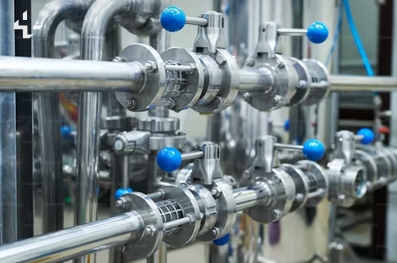
By combining CNC machining, metal fabrication, finishing, inspection, and assembly capabilities, a qualified shop can produce complex industrial components according to specific engineering requirements.
What Is a Machine and Fabrication Shop?
A machine and fabrication shop provides manufacturing services that involve both material removal and metal fabrication. Machining uses processes such as CNC milling and turning to achieve precise dimensions, while fabrication involves cutting, bending, welding, and forming metal to create larger or structurally complex assemblies.
Typical services may include:
CNC milling
CNC turning
Drilling and tapping
Sheet metal fabrication
Laser or plasma cutting
Metal bending and forming
Welding and structural fabrication
Grinding and finishing
Surface treatment
Component assembly
Combining these capabilities under one manufacturing partner can simplify production and improve project coordination.
CNC Machining for Precision Components
CNC machining is particularly important when industrial components require tight tolerances and accurate geometries. Computer-controlled equipment can manufacture parts according to detailed CAD designs while maintaining consistent dimensions throughout a production run.
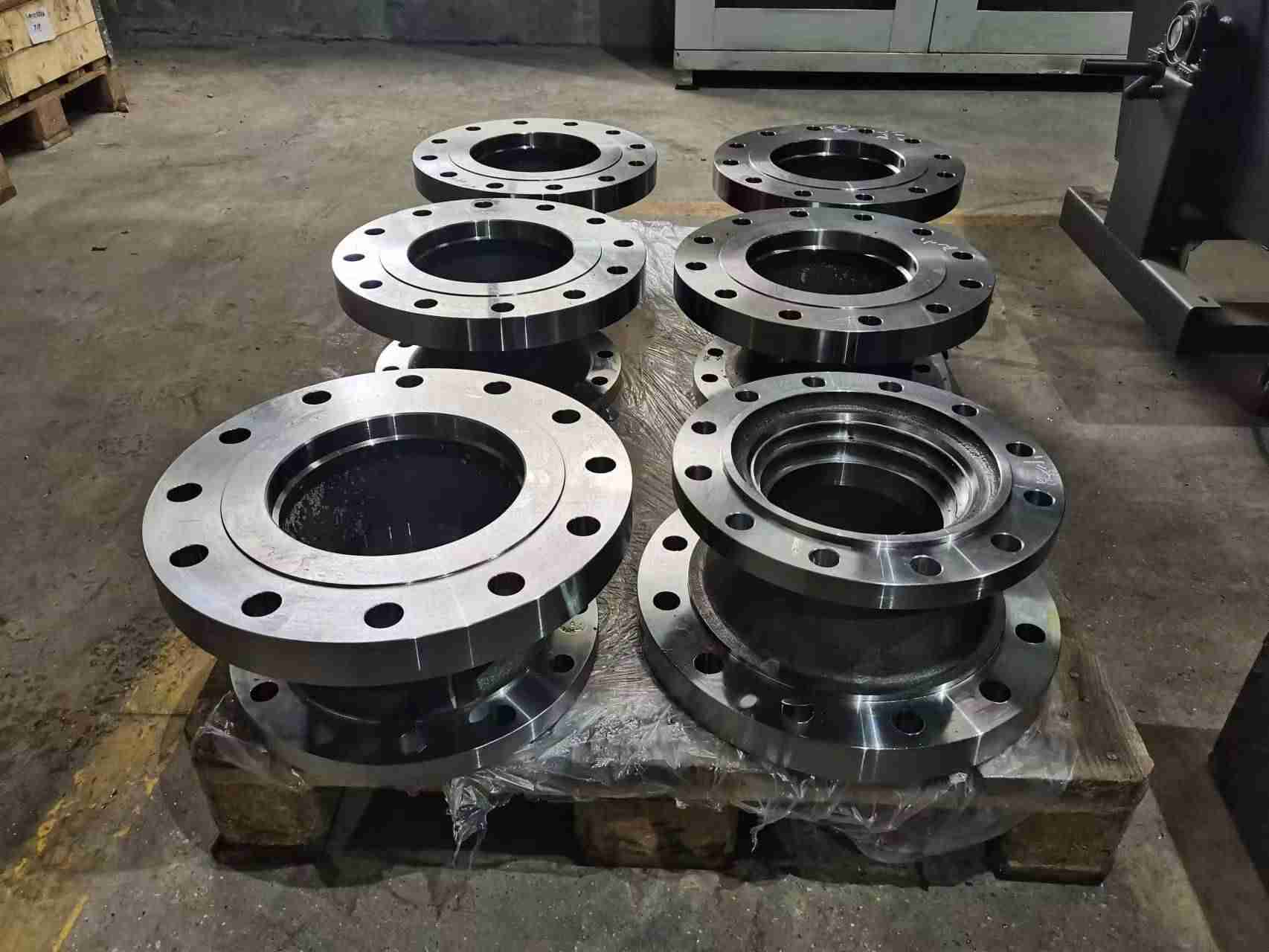
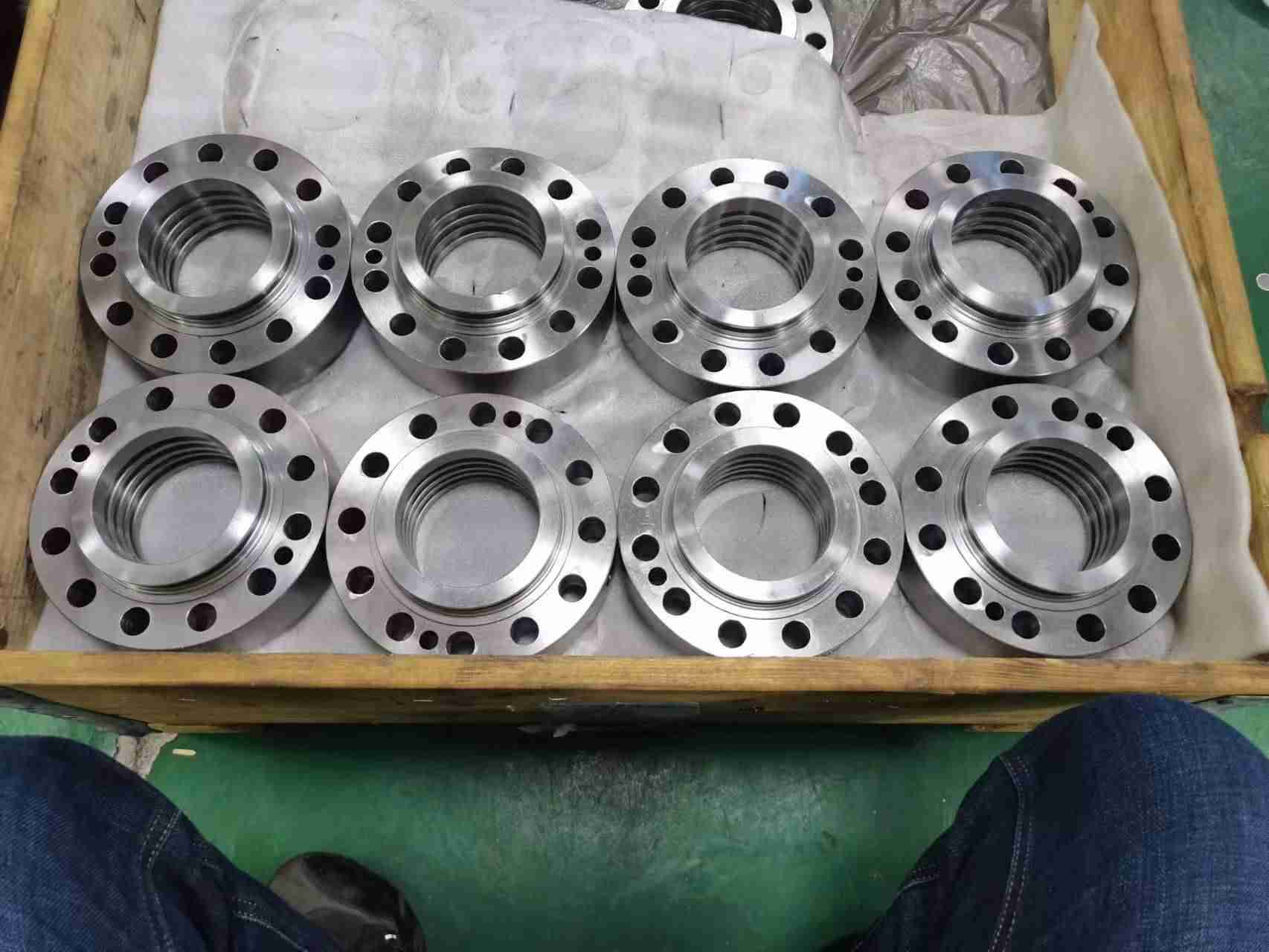
A machine and fabrication shop may use CNC machining to produce shafts, brackets, housings, flanges, fixtures, gears, mounting components, and other precision parts.
Advanced multi-axis machining can also reduce the number of setups required for complex components, helping improve accuracy and production efficiency.
Metal Fabrication for Large and Structural Components
Not every industrial component can be manufactured entirely through machining. Large frames, enclosures, brackets, platforms, guards, tanks, and structural assemblies often require fabrication processes.
Fabrication may involve cutting raw material to size, bending or forming it, welding individual sections together, and performing final dimensional checks.
By combining fabrication with precision machining, manufacturers can create assemblies that require both structural strength and accurately machined interfaces.
Custom Manufacturing for Complex Designs
Industrial applications frequently require customized components rather than standardized products. A professional machine and fabrication shop can manufacture parts based on engineering drawings, CAD models, samples, or specific customer requirements.
Custom manufacturing can accommodate requirements such as:
Unusual dimensions
Complex geometries
Tight tolerances
Specialized materials
Custom mounting configurations
Welded and machined assemblies
This flexibility is useful for machinery manufacturers, automation companies, energy equipment suppliers, and other industrial businesses.
Wide Range of Materials
Industrial components can require different materials depending on their operating environment and mechanical requirements. A capable machine and fabrication shop may process materials such as aluminum, stainless steel, carbon steel, brass, copper, and various alloy materials.
Material selection can affect strength, weight, corrosion resistance, machinability, wear resistance, and operating temperature. Experienced manufacturers can help customers select suitable materials according to the component's intended application.
Integrated Manufacturing Saves Time
Using separate suppliers for machining, fabrication, finishing, and assembly can create additional logistics and communication challenges. An integrated machine and fabrication shop can coordinate multiple manufacturing stages within one workflow.
For example, a complex industrial assembly may require:
Cutting and forming raw metal
Welding fabricated sections
CNC machining critical mounting surfaces
Drilling and tapping holes
Applying surface treatment
Performing final inspection
Completing assembly
Coordinating these processes through one manufacturing partner can reduce unnecessary transportation and simplify quality management.
Quality Control for Industrial Components
Industrial components often need to perform reliably under demanding operating conditions. Quality control is therefore an important part of the manufacturing process.
Depending on the project, inspection may include dimensional measurement, material verification, weld inspection, surface-finish inspection, and final assembly checks. CNC-machined components with demanding tolerances may also be inspected using precision measurement equipment such as coordinate measuring machines.
Clear inspection standards and documentation help ensure that finished components conform to engineering drawings and customer specifications.
Supporting Prototypes and Production Runs
A machine and fabrication shop can support different stages of a manufacturing project. Companies may begin with a prototype to verify dimensions, assembly, and functionality before moving into larger production quantities.
This approach allows engineers to identify potential design or manufacturing problems early. Once the design has been validated, production processes can be optimized for small-batch or higher-volume manufacturing.
Choosing the Right Machine and Fabrication Shop
When selecting a manufacturing partner, companies should evaluate more than pricing. Important considerations include machining capabilities, fabrication equipment, material experience, quality-control systems, production capacity, and engineering support.
It is also important to confirm that the supplier can meet required tolerances and production schedules. Good communication throughout the design and manufacturing process can help prevent misunderstandings and reduce costly production revisions.
A professional machine and fabrication shop can provide a comprehensive solution for producing complex industrial components. By combining precision CNC machining with metal fabrication, finishing, inspection, and assembly, manufacturers can produce customized parts that meet demanding engineering requirements.
For companies seeking a long-term manufacturing partner, an integrated shop with strong machining and fabrication capabilities can help simplify the supply chain, improve production efficiency, and deliver reliable industrial components from prototype through production.
About AJL Machining:
AJL Machining is a professional and industry-leading one-stop workshop for custom metal parts services. We have our own factory and a reliable network of partners that enable us to cater to your requirements ranging from prototypes to large-scale production. Our competitive edge is our ability to ensure that all of your parts are produced according to specifications, within budget, and delivered on time to meet your evolving demands. Presently, we serve over 80% of our business to multinational corporations in China, as well as overseas customers.
To learn more, please don't hesitate to contact us via email at sales@ajlmachining.com, or visit our website at www.ajlmachining.com

AJL Machining is a professional and industry-leading one-stop shop for custom metal parts services. We have our own factory and a reliable network of partners that enable us to cater to your requirements ranging from prototypes to large-scale production.
Add: No 58, Chenghu Road, Kunshan, Suzhou City, Jiangsu Province, China 215333
Email:sales@ajlmachining.com
Tel: +8613522650203
 English
 China
China