
Inquiry

Project Review

Machining

Quality Control

Pass/Fail

Delivery
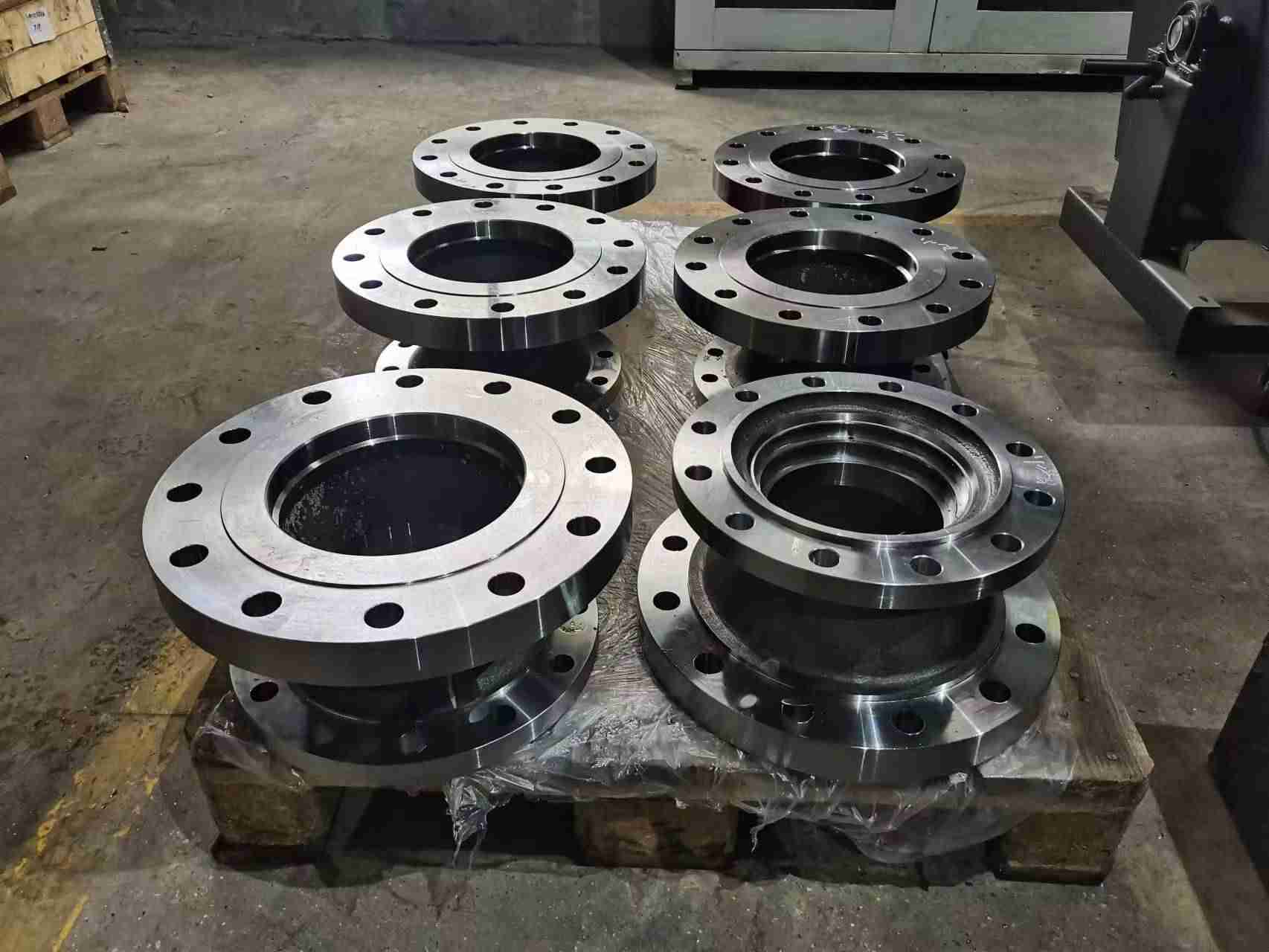
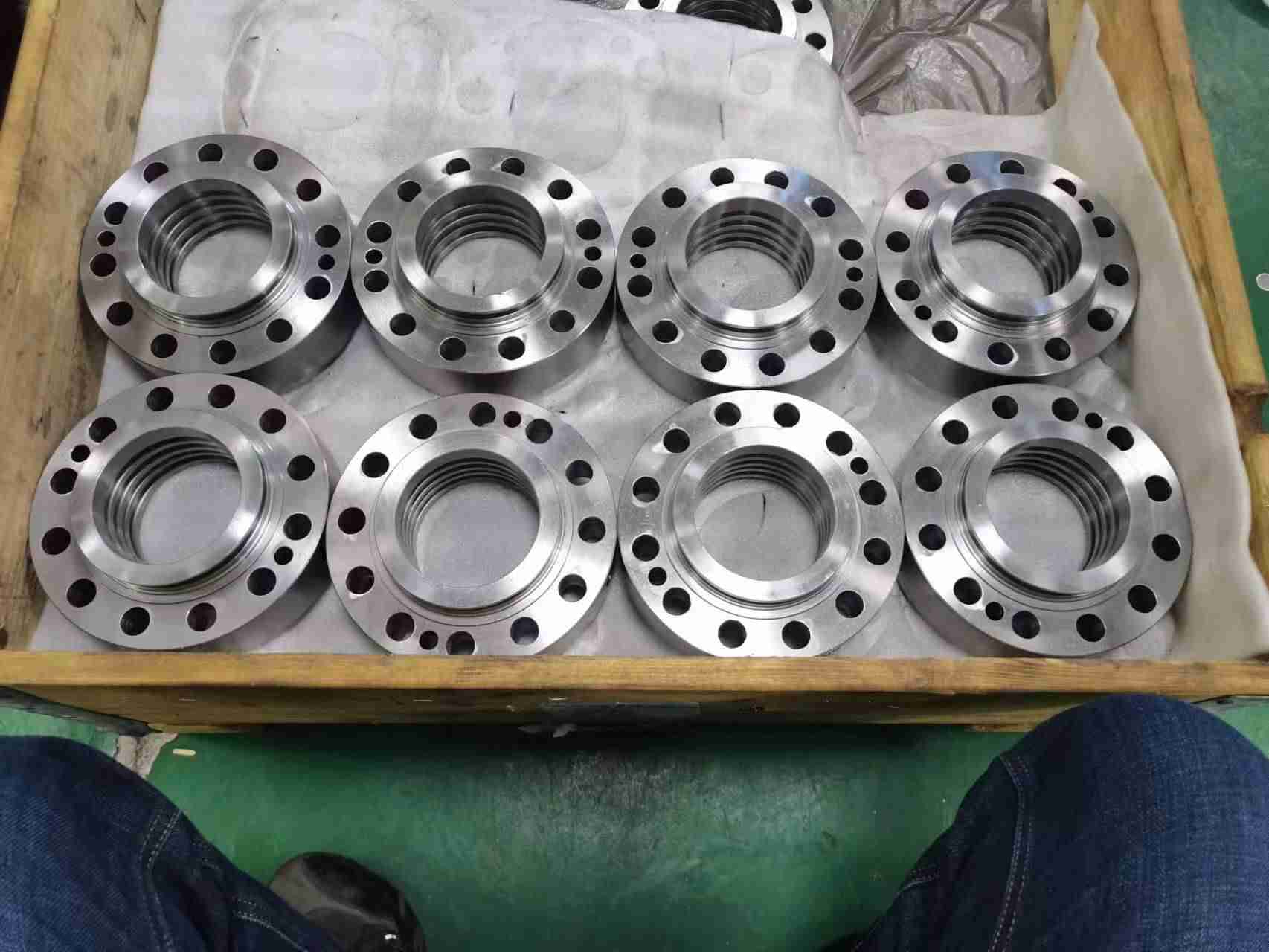
Modern industrial manufacturing requires components that meet increasingly demanding standards for dimensional accuracy, material performance, and production consistency. From automotive equipment and aerospace systems to medical devices and heavy machinery, precision-machined parts play an important role in ensuring product reliability and operational efficiency. CNC precision machining services provide an effective solution for manufacturing custom industrial components with complex geometries and tight tolerances.
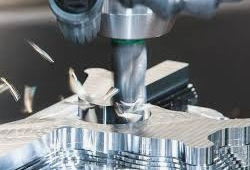
By using computer-controlled machining equipment, advanced cutting tools, and carefully managed production processes, manufacturers can produce metal components that meet specific engineering requirements. Whether a project involves a small prototype or a large production batch, professional CNC machining services help businesses achieve consistent quality and dependable results.
What Are CNC Precision Machining Services?
CNC precision machining services use computer numerical control technology to remove material from metal or other workpieces according to programmed instructions. The process controls machine movements, spindle speeds, feed rates, and cutting depths to produce components based on engineering drawings or digital models.
Unlike conventional manual machining, CNC machining offers a high level of automation and repeatability. Once a machining program has been developed and verified, the same process can be repeated to manufacture multiple components with consistent dimensions.
Common CNC machining operations include:
CNC milling: Produces flat surfaces, slots, pockets, contours, and complex shapes using rotating cutting tools.
CNC turning: Manufactures cylindrical and rotational components such as shafts, bushings, sleeves, and fittings.
CNC drilling: Creates accurately positioned holes for fasteners, connections, and assembly requirements.
CNC boring: Enlarges and finishes existing holes to achieve specified dimensions and geometric accuracy.
CNC tapping: Produces internal threads for mechanical connections and fastening applications.
By combining different machining operations, manufacturers can produce custom components with multiple features while maintaining dimensional consistency.
Benefits of CNC Precision Machining for Custom Industrial Components
1. High Dimensional Accuracy
Dimensional accuracy is essential for industrial components that must fit precisely with other parts. Even small deviations can affect assembly, mechanical movement, sealing performance, or equipment operation.
CNC machines follow programmed toolpaths to control cutting operations accurately. With proper machine calibration, workholding, tooling, and inspection, manufacturers can achieve the tolerances specified in engineering drawings.
This capability is particularly valuable for components with complex geometries, multiple holes, precision bores, threads, and accurately positioned surfaces.
2. Consistent Manufacturing Quality
For industrial buyers, maintaining consistent quality across production batches is just as important as achieving accuracy in individual components.
CNC machining programs help standardize manufacturing operations and reduce variations associated with manual processes. Once the production parameters are established, manufacturers can repeat the machining sequence across multiple workpieces.
Combined with in-process inspection and final quality checks, this approach helps reduce dimensional variation and improve production reliability.
3. Efficient Production and Shorter Lead Times
Automated machining reduces the need for continuous manual intervention. Modern CNC equipment can perform multiple operations with programmed tool changes and optimized cutting sequences.
Some advanced machining centers also combine milling, turning, drilling, and tapping operations. Completing more features in a single setup can reduce handling time and minimize positioning errors.
For businesses developing new products or managing changing production requirements, efficient CNC machining can help shorten manufacturing lead times.
4. Flexible Customization
Industrial equipment manufacturers often require components designed for specific applications rather than standard catalog products.
CNC precision machining supports customized production based on CAD models, technical drawings, samples, or detailed specifications. Manufacturers can adjust machining programs to accommodate different dimensions, materials, and design features.
This flexibility makes CNC machining suitable for prototypes, replacement parts, customized equipment components, and ongoing production orders.
Materials Used in CNC Precision Machining
Material selection has a direct impact on component strength, durability, corrosion resistance, machinability, and overall cost. Professional CNC machining suppliers typically work with a variety of industrial metals.
Aluminum Alloys
Aluminum is lightweight, corrosion-resistant, and relatively easy to machine. It is widely used in automotive parts, aerospace components, electronic housings, and industrial equipment.
Stainless Steel
Stainless steel offers good corrosion resistance and mechanical strength. It is commonly used for valves, fittings, shafts, food-processing equipment, and components exposed to demanding operating environments.
Carbon Steel and Alloy Steel
These materials are suitable for applications requiring strength, toughness, and wear resistance. They are frequently used in machinery components, shafts, mechanical fittings, and load-bearing parts.
Brass and Copper
Brass is valued for its machinability and corrosion resistance, making it suitable for connectors, fittings, and valve components. Copper offers excellent electrical and thermal conductivity and is used in electrical and specialized industrial applications.
Titanium Alloys
Titanium combines high strength with a relatively low density and excellent corrosion resistance. It is used in aerospace, medical, and other specialized applications where material performance is particularly important.
The most suitable material depends on the component's operating environment, mechanical requirements, production volume, and budget.
Quality Control in CNC Precision Machining Services
Quality control is a fundamental part of precision manufacturing. A professional CNC machining supplier should have inspection procedures throughout the production process rather than relying only on final checks.
Raw Material Inspection
Before machining begins, incoming materials should be checked against the specified grades and requirements. Material certificates and traceability documentation may be used to verify material information.
In-Process Inspection
During production, operators or quality technicians measure important dimensions to identify deviations early. This helps prevent repeated defects and reduces material waste.
Final Dimensional Inspection
Finished components are inspected using appropriate measurement tools, including:
Digital calipers and micrometers
Bore gauges and height gauges
Coordinate measuring machines (CMMs)
Thread gauges
Surface roughness testers
The inspection equipment and methods should be selected according to component geometry, tolerance requirements, and functional specifications.
Surface Treatment and Finishing
Some industrial components require additional processes after machining. Depending on the material and application, these may include polishing, grinding, anodizing, plating, coating, or heat treatment.
Proper finishing can improve corrosion resistance, wear performance, surface appearance, or other functional characteristics.
Industrial Applications of CNC Precision Machining Services
CNC precision machining supports a wide range of industrial sectors.
Automotive Manufacturing
Automotive applications include engine components, transmission parts, shafts, brackets, housings, and precision connectors. Accurate machining helps ensure proper assembly and reliable mechanical performance.
Aerospace Industry
Aerospace components often require complex geometries, specialized materials, and strict dimensional specifications. CNC milling and turning are used to manufacture structural components, fittings, housings, and other precision parts.
Medical Equipment
Medical device manufacturers use precision-machined components in surgical instruments, diagnostic equipment, and specialized device assemblies. Material suitability, dimensional accuracy, and surface quality are important considerations.
Industrial Machinery
Machinery manufacturers depend on precision components such as bearing housings, hydraulic parts, machine-tool components, shafts, and mechanical connectors. Consistent machining quality helps support equipment stability and reduce maintenance issues.
Energy and Hydraulic Equipment
CNC machining is also used to produce valves, pump components, adapters, fittings, and other parts that must withstand pressure, mechanical loads, or challenging operating conditions.
How to Choose the Right CNC Precision Machining Supplier
Selecting a reliable supplier is an important decision for companies sourcing custom industrial components. Several factors should be considered.
Manufacturing Equipment and Capabilities
Evaluate whether the supplier has suitable CNC milling, turning, drilling, and multi-axis machining equipment. Complex components may require advanced machining centers or combined machining processes.
Technical Experience
A supplier with experience in your industry is more likely to understand material requirements, machining challenges, and critical component specifications.
Quality Management
Ask about inspection procedures, measurement equipment, material traceability, and quality documentation. A structured quality management system helps maintain production consistency.
Production Flexibility
Consider whether the manufacturer can support prototype development, small-batch orders, and larger production volumes. Flexible capacity is useful when project requirements change.
Integrated Manufacturing Services
A supplier offering services beyond CNC machining can simplify project management. For example, some projects require raw castings or forgings to be machined into finished components. Working with a manufacturer that can handle raw-material sourcing, precision machining, complete fabrications, and assembly may reduce coordination between multiple suppliers.
Communication and Delivery
Clear communication, accurate quotations, realistic lead times, and regular production updates help ensure that manufacturing projects remain on schedule.
CNC precision machining services are essential for producing high-quality custom industrial components with accurate dimensions, reliable performance, and consistent manufacturing quality. Through advanced CNC milling, turning, drilling, and other machining operations, manufacturers can meet the requirements of complex designs and demanding industrial applications.
For businesses seeking dependable metal components, choosing an experienced CNC machining supplier is an important step toward improving product quality and controlling manufacturing costs. A manufacturing partner with comprehensive capabilities in machining, material processing, fabrication, and assembly can also provide a more integrated solution, supporting projects from raw materials to finished industrial components.
About AJL Machining:
AJL Machining is a professional and industry-leading one-stop workshop for custom metal parts services. We have our own factory and a reliable network of partners that enable us to cater to your requirements ranging from prototypes to large-scale production. Our competitive edge is our ability to ensure that all of your parts are produced according to specifications, within budget, and delivered on time to meet your evolving demands. Presently, we serve over 80% of our business to multinational corporations in China, as well as overseas customers.
To learn more, please don't hesitate to contact us via email at sales@ajlmachining.com, or visit our website at www.ajlmachining.com

AJL Machining is a professional and industry-leading one-stop shop for custom metal parts services. We have our own factory and a reliable network of partners that enable us to cater to your requirements ranging from prototypes to large-scale production.
Add: No 58, Chenghu Road, Kunshan, Suzhou City, Jiangsu Province, China 215333
Email:sales@ajlmachining.com
Tel: +8613522650203
 English
 China